

09 Dec Streamlining Your Nutritional Supplement Supply Chain: Best Practices for B2B Buyers
Introduction: Why Supply Chain Optimization Matters in the Supplement Industry
In today’s global supplement industry, supply chain complexity has increased substantially. As dietary supplements move across borders—from raw‑materials sourcing, through manufacturing, to final delivery—the number of variables grows. For B2B buyers, such as retailers, distributors, or private‑label supplement brands, efficient nutritional supplement supply chain management can make the difference between product success and failure. Poor logistics or mismanaged supply chain elements can compromise product quality, lead to delayed shipments, and ultimately damage consumer trust. On the other hand, a well‑managed chain helps ensure consistent quality, timely availability, and high customer satisfaction.
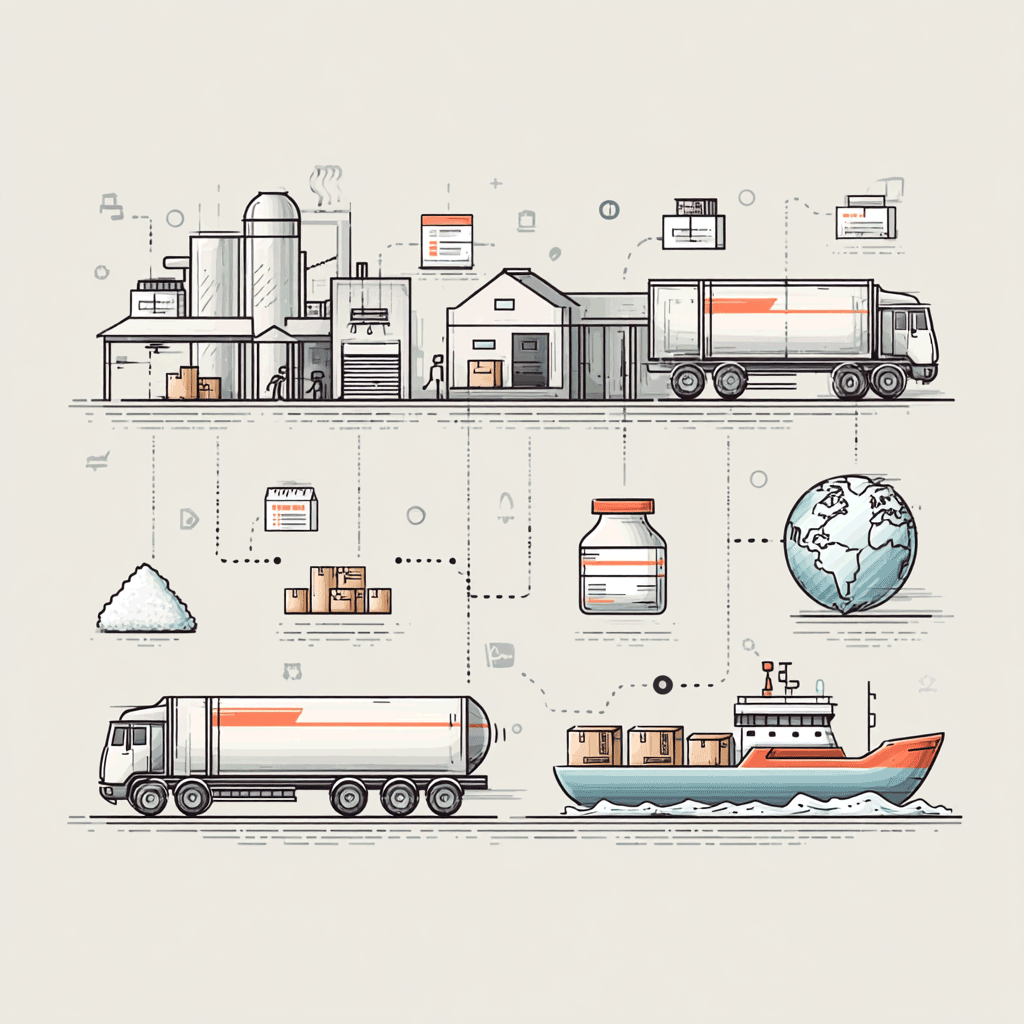
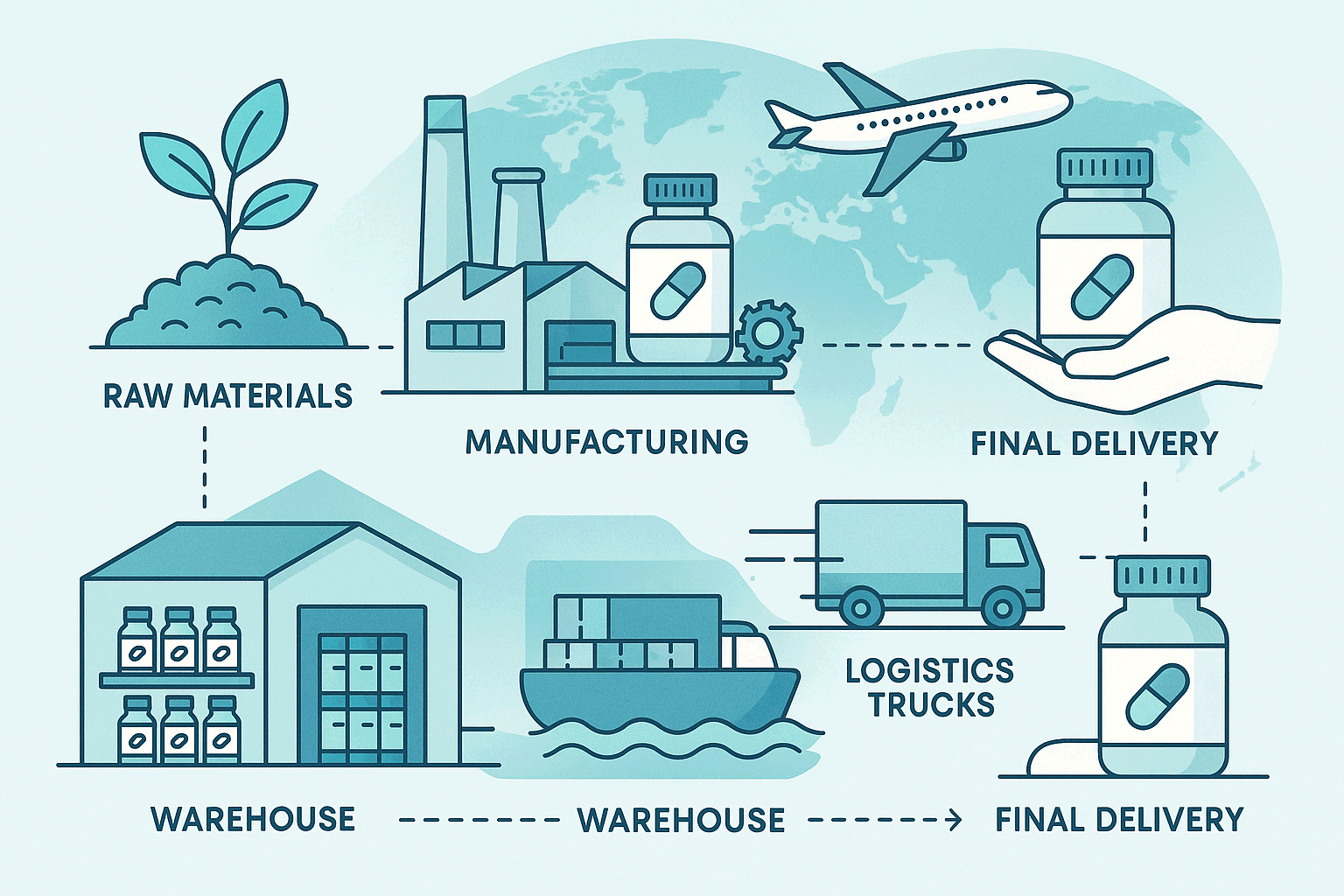
The supply chain for dietary supplements typically involves several critical stages: sourcing raw materials, quality control and manufacturing, inventory management, order fulfillment, distribution, and final delivery. Each stage presents potential risks — from raw material scarcity or contamination, to transport delays, to expiration‑date mismanagement. For B2B buyers, having a solid understanding and control over these processes is a key factor in delivering reliable products to customers and maintaining strong brand reputation.
In this article, we examine best practices for B2B buyers to streamline supply chain operations in the supplement business. We cover quality control, inventory and expiry management, fulfillment and distribution strategies, leveraging technology for real‑time visibility, and using customer feedback to continuously improve. The goal is simple: align supply chain operations to meet market demands, safeguard product integrity, and deliver on customer expectations.
2.Key Considerations for Efficient Supplement Supply Chain Management
2.1 Maintaining Product Quality Across the Supply Chain
One of the most critical aspects of supply chain management in the supplement industry is ensuring product quality — from raw materials all the way to final delivery. Dietary supplements often contain sensitive ingredients such as omega fatty acids, heat- or light-sensitive vitamins, probiotics, or herbal extracts. These ingredients are vulnerable to degradation, oxidation, or contamination if not handled correctly. A lapse at any point — whether during storage, transit, or manufacturing — can reduce potency or even compromise safety, undermining health supplement industry standards and customer trust.
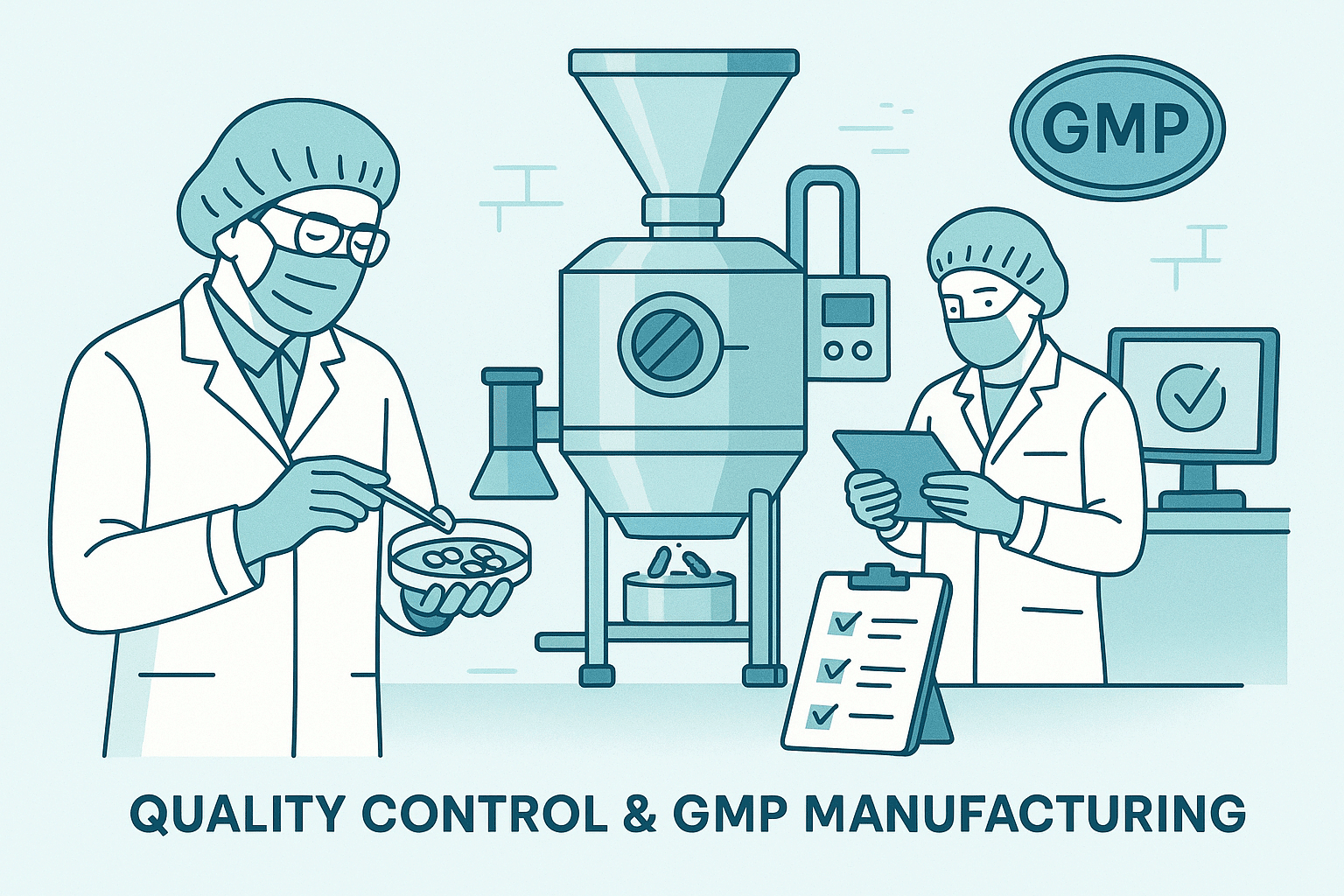
To mitigate these risks, B2B buyers should prioritize working with GMP‑certified facilities and supplement manufacturers that follow strict quality control measures. This includes verifying that raw materials are tested for purity (e.g., heavy metal compliance or microbial testing), confirming that manufacturing practices meet regulatory and hygienic standards, and ensuring proper environmental controls (e.g., temperature, humidity) throughout production and storage. For instance, omega-rich softgels may require storage at controlled temperatures, while some herbal supplements demand low moisture conditions to prevent degradation.
Moreover, supply chain transparency is vital: buyers should require batch documentation, hazard analysis records, and traceability of raw materials. When multiple suppliers are involved, maintaining consistent standards across all inputs becomes essential. This ensures that final products meet label claims and deliver the intended health benefits to end consumers.
2.2 Managing Expiration Dates and Shelf Life
Another often overlooked but essential aspect of chain management is effective tracking of expiration dates and shelf life. Many dietary and nutritional supplements — particularly those based on natural or organic ingredients, probiotics, or products with minimal preservatives — have shorter shelf lives compared to synthetic pharmaceuticals. Moreover, prolonged storage, poor environmental conditions, or repeated handling can further reduce potency or spoil quality.
For B2B buyers and distributors, managing inventory so that older batches are sold or fulfilled before newer ones is critical. This is especially true for health supplements with limited shelf life. Without proper rotation, there is a risk of expired products sitting unsold, leading to waste, regulatory issues, or harm to consumer confidence.
Best practices include implementing digital inventory systems that track raw materials and finished products by batch number and expiration date. Many companies now employ expiry‑date alert systems within their inventory management software, triggering reminders when certain batches approach a predefined threshold (e.g., six months before expiry). These tools help prioritize order fulfillment from older stock first (FIFO: first in, first out), minimizing waste and ensuring customers receive fresh, potent products.
Regular audits, regular inventory review cycles, and clear storage protocols (e.g., temperature, light, humidity) also help maintain product integrity. For natural supplements, sensitive storage facilities—preferably with climate control—are critical. Ensuring proper chain management of supplements from production through fulfillment protects product quality, minimizes losses, and supports long-term business sustainability.
3. Enhancing Inventory Management and Order Fulfillment
3.1 Aligning Stock Levels with Customer Demand
One of the biggest challenges for B2B buyers and supplement businesses is balancing inventory levels to meet market demands without overstocking and tying up capital. The supplement market is often influenced by seasonal demand, health trends, and fluctuations in consumer interest (for example, increased demand for vitamin C or immunity supplements during a viral outbreak, or weight‑management products early in the year). Without accurate forecasting, businesses may suffer from stockouts or, conversely, excessive stock carrying costs.
To address this, supplement companies should implement demand forecasting tools. These can be based on historical sales data, seasonal trends, market intelligence, and promotional calendars. Advanced forecasting may incorporate external factors — such as demographic shifts, public health events, or regulatory changes — to better anticipate demand surges.
By aligning stock levels with expected demand, companies can reduce the risk of overstocking, which leads to wasted inventory when products expire, or understocking, which can lead to lost sales and unhappy customers. This balance is vital to meeting customer expectations consistently while preserving operational efficiency.
3.2 Automation and Warehouse Efficiency
As the scale of supplement fulfillment grows, manual processes become inefficient and error-prone. Integrating automation — such as barcode scanning, automated picking and packing systems, or robotics — can significantly improve order accuracy and speed. A Warehouse Management System (WMS) integrated with enterprise resource planning (ERP) software can allow for real-time tracking of inventory levels, batch numbers, expiry dates, and order status.
Automation ensures that pick‑and‑pack mistakes are minimized, which is especially important in a regulated industry where errors in dosage, batch mix-up, or labeling can lead to compliance problems or recalls. Furthermore, automation supports efficient inventory management, helps manage supply chain risks, and enables supplement fulfillment services to scale without compromising on customer satisfaction.
For B2B buyers managing multiple product lines, systems that support real-time inventory tracking and automated replenishment alerts are a game-changer. They facilitate smoother operations, reduce the risk of lost sales due to stockouts, and improve operational efficiency across the supply chain.
4. Building a Reliable Global Distribution Network
4.1 Navigating International Shipping for Supplements
For supply chain management that spans borders, international shipping presents unique challenges. Dietary supplements are subject to regulatory compliance, customs checks, and food laws affecting label requirements. Ingredients may be imported from multiple countries, and final products may ship to distribution partners or retailers across the globe.
Successful B2B supply chains must account for customs documentation, ingredient sourcing transparency, batch tracking, and compliance with regulations in each destination country. For instance, supplements containing specific herbs, vitamins, or minerals may be subject to import restrictions or labeling regulations — noncompliance can result in shipment delays, fines, or seizure.
Additionally, some supplements require temperature-controlled logistics (cold chain) — particularly those containing omega fatty acids, probiotics, or other sensitive ingredients. Without proper temperature control during shipping and warehousing, product quality may degrade, reducing potency or safety. This underlines why buyers should work with logistic partners experienced in supplement fulfillment and distribution.
4.2 Choosing the Right Distribution Channels
Selecting appropriate distribution channels is equally important. For B2B buyers, distribution options typically include direct‑to‑consumer (D2C) e‑commerce fulfillment, wholesale to retailers or pharmacies, or regional distribution centers that support multiple markets. Each channel has its advantages and challenges.
E-commerce distribution offers flexibility, quick scaling, and direct access to end consumers. It requires robust fulfillment services, warehousing, and efficient logistics to meet consumer customer expectations.
Wholesale/B2B distribution often involves larger order volumes and contracts with retailers or resellers. This demands reliable inventory management and ability to fulfill bulk orders promptly.
Regional distribution centers can act as hubs to optimize shipping costs, reduce delivery time, and manage international shipping more efficiently. For global brands, leveraging a network of regional warehouses ensures products reach markets quickly while maintaining quality.
Proper channel selection and a well-designed distribution network are vital for ensuring timely delivery and sustaining customer satisfaction. For B2B buyers, having a diversified and reliable distribution strategy reduces risk and helps maintain a steady supply even amid fluctuating demand.
5. Using Customer Feedback to Strengthen Supply Chain Performance
5.1 Turning Feedback into Process Improvements
Customer feedback is a powerful tool for improving supply chain operations. For supplement businesses, feedback often reveals issues around product freshness, damaged packaging, delayed delivery, or incorrect orders. By actively monitoring and analyzing such feedback, buyers can identify weak points in the supply chain — whether in warehousing, fulfillment, or shipping — and take corrective action.
For example, repeated complaints about damage in transit may signal inadequate packaging or handling issues; late deliveries might reflect inefficient logistics partners; freshness or potency concerns may point to poor storage conditions or outdated inventory rotation practices. By feeding these insights back into vendor or supplier selection, packaging design, or logistics management, companies can reduce future risks and improve overall supply reliability.
5.2 Boosting Transparency to Improve Trust
Transparency plays a crucial role in building consumer trust, especially in the supplement business. B2B buyers can enhance trust by sharing real-time tracking and delivery updates with downstream customers (retailers, distributors, or consumers). Proactively communicating about supply chain disruptions — such as delayed shipments, stock shortages, or batch recalls — helps manage expectations and preserve credibility.
Additionally, transparent documentation of manufacturing, product batch information, quality control reports, and regulatory compliance can reassure buyers and end consumers that product quality is prioritized. For nutritional supplements marketed for health benefits, transparent supply chain practices reinforce the brand’s commitment to safety, quality, and reliability.
6. Leveraging Technology for End-to-End Chain Management
6.1 Real-Time Supply Chain Visibility
Modern supply chains benefit immensely from technology. Tools such as IoT sensors, blockchain-based traceability, AI-driven forecasting, and real-time monitoring systems offer real-time visibility across the supply chain — from raw materials to final delivery.
For example, IoT sensors in temperature-sensitive storage facilities ensure that nutritional supplements are stored under ideal conditions. Blockchain-enabled traceability can track every batch of raw materials, ensuring that heavy‑metal testing, ingredient origin, and compliance documents are readily accessible. AI-driven predictive analytics can flag potential supply chain risks, such as anticipated raw material shortages or demand surges, enabling proactive purchasing or production adjustments.
These technologies help reduce waste, prevent recalls, and ensure that supplement fulfillment services deliver consistent quality. For B2B buyers, investing in systems that provide supply chain transparency and predictive insights is a strategic advantage in a rapidly shifting industry.
6.2 Integrated Platforms for B2B Order Management
Efficiency in order processing and fulfillment is crucial. By integrating Enterprise Resource Planning (ERP) systems with Warehouse Management Systems (WMS) and order management platforms, supplement brands can centralize all supply chain data: raw materials inventory, finished goods stock, order status, shipping information, and customer feedback. This reduces manual errors, improves order fulfillment speed, and ensures that orders are processed accurately and promptly.
Additionally, integrated platforms support supplement business scalability. As demand grows, especially from online sales and direct‑to‑consumer channels, manual systems can quickly become bottlenecks. Automated workflows — for replenishment, batch tracking, expiry date alerts, and shipping — improve operational efficiency and help meet high customer expectations.
Conclusion: Elevating Customer Satisfaction through Supply Chain Excellence
A robust, well-managed supply chain lies at the heart of a successful supplement business. From sourcing high-quality raw materials and maintaining stringent quality control to managing inventory smartly and ensuring timely, compliant distribution, each link in the supply chain plays a critical role.
For B2B buyers — whether they are retailers, distributors, or private-label supplement brands — investing in nutritional supplement supply chain management is not optional; it is fundamental. By adopting best practices such as expiry-date tracking, demand forecasting, warehouse automation, real-time visibility, integrated fulfillment systems, and transparent communication, businesses can meet and exceed customer expectations — delivering consistent, high‑quality products while minimizing waste, risk, and regulatory exposure.
In a rapidly evolving supplement industry, where consumer demand for health and wellness products continues to rise, efficient and proactive supply chain management becomes a key differentiator. Companies that commit to continuous improvement and operational excellence will not only ensure product quality and customer satisfaction, but also position themselves as trustworthy, reliable players in the global supplement business.
For supplement brands aiming to grow, scale, or enter new markets, streamlining your supply chain is more than a logistics challenge — it’s a strategic investment in reputation, reliability, and long-term success.