

22 Apr Clean Label and “Free-From” Trends in Supplements: Meeting Demand for Transparency
The Rise of Clean Label Supplements: Why Consumer Demand Is Reshaping the Industry
Over the past decade, the supplement industry and broader food industry have undergone a dramatic transformation driven by changing consumer expectations. Clean label supplements—products characterized by simple ingredient lists, minimal processing, and avoidance of artificial chemicals—have rapidly shifted from a niche preference to a mainstream expectation. This shift is now reshaping how food manufacturers and dietary supplement companies formulate, source, validate, and market their products.
A growing portion of consumers want supplements and food products that mirror the standards they already expect from organic food: transparency, sustainability, and recognizable raw ingredients. They are no longer satisfied with multivitamin products full of fillers, synthetic preservatives, artificial flavors, or genetically modified organisms. Instead, many consumers actively seek non-genetically modified organisms, plant-based ingredients, and formulations aligned with natural wellness trends.
Several factors are driving demand for clean label supplements:
Health awareness: consumers increasingly understand how synthetic fertilizers, pesticides, artificial flavors, and chemical additives may influence overall health.
Environmental concerns: modern buyers want food and supplements that minimize environmental impact, animal harm, and long supply chains dependent on industrial agriculture.
Safety concerns: public interest in FDA oversight, transparency, and third-party certifications is higher than ever.
Cultural shifts: as wellness routines expand, supplements like vitamin C, magnesium, green tea extract, or immune support blends are purchased with greater scrutiny of ingredient origin and purity.
This shift reflects a deeper cultural movement: a desire to reconnect food and supplement choices with natural sources, ethical suppliers, and clean production processes. For companies, meeting these expectations is no longer optional—it is a fundamental competitive requirement in a rapidly evolving market.
What Clean Label Really Means: Organic Certification, Free-From Claims, and Trust-Centered Formulations
While “clean label” is not a legally defined term, its meaning has become widely recognized. Clean label supplements typically emphasize:
Simple, recognizable ingredients
No artificial flavors, colors, or preservatives
No genetically modified organisms (GMO-free)
Minimal processing of raw materials
Use of organic ingredients where possible
Transparency regarding sourcing, production, and testing
Organic Food Standards and Certified Organic Ingredients
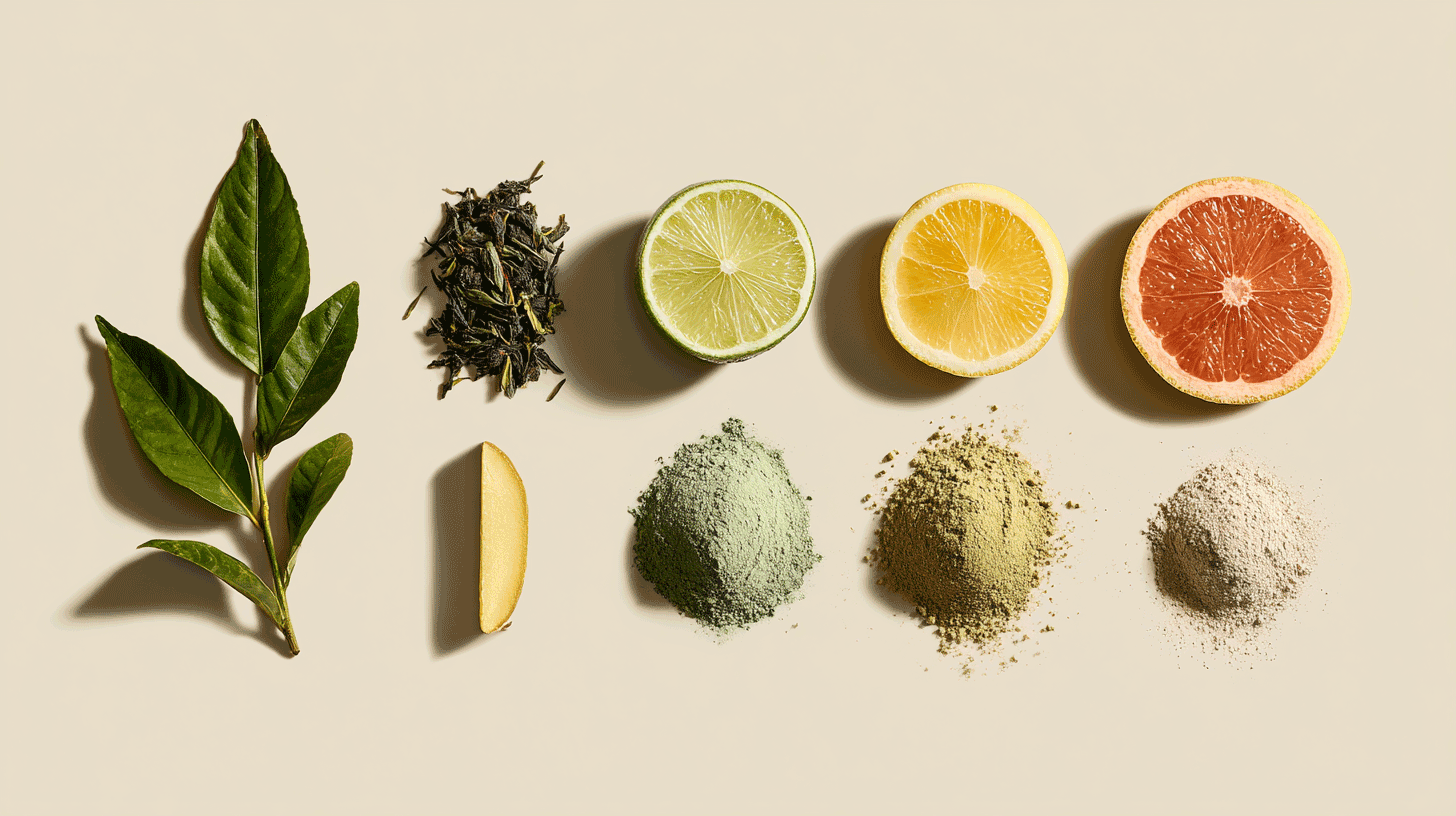
Certified organic ingredients—including organic vitamin C (ascorbic acid derived from organic fruits), organic monk fruit, organic green tea, or organic plant powders—must adhere to strict organic standards that prohibit:
Synthetic fertilizers
Most pesticides
Genetically modified organisms
Chemical processing aids
Products with organic certification signal to customers that farmers, suppliers, and manufacturers followed regulated, sustainable practices. This reduces the risks of contamination, pesticide residues, and unwanted synthetic compounds in the final product.
While not all clean label supplements must be certified organic, organic certification remains one of the strongest signals of purity and quality in both the food industry and supplement market.
Free-From Positioning and Health Claims
Another major aspect of clean label supplements is the use of “free-from” claims, such as:
Free from sugar
Free from dairy or animal-derived gelatin
Free from artificial flavors
Free from genetically modified ingredients
Free from common allergens
Because FDA guidelines regulate health claims and labeling content, companies must carefully balance transparency with legal compliance. For example, a vitamin C or green tea supplement cannot claim to “cure disease” but can state that it “supports immune health” or contributes to overall well-being.
How Clean Label Strengthens Consumer Trust
Ultimately, clean label values reinforce consumer trust, a crucial competitive factor in an industry where safety concerns and misinformation often circulate online. Transparent labels, verified certifications, and clear ingredient sourcing give customers confidence that the supplement they purchase is pure, safe, and honestly manufactured.
Ingredient Transparency and Clean Manufacturing: How Raw Materials Shape Product Quality
Clean label supplements begin with clean raw materials. For manufacturers, choosing raw material suppliers is one of the most important decisions in the entire production process.
Choosing High-Quality Raw Ingredients
To create clean label supplements, manufacturers must evaluate:
Farming practices: avoiding pesticides, genetically modified crops, and synthetic fertilizers
Purity of raw materials: minimizing contamination from long supply chains
Origin: ensuring traceability from farmers to processing facilities
Testing protocols: verifying potency, purity, and absence of harmful chemicals
Sustainability: supporting farmers and suppliers who practice responsible agriculture
For example, plant-based vitamin C, magnesium derived from mineral-rich sources, or natural flavors derived from fruits often require strict documentation and quality control at each stage.
The Importance of Traceability and Shorter Supply Chains
Long supply chains increase the risk of:
contamination
mislabeling
degradation of nutrients
quality issues
loss of potency
supply shortages
Modern brands increasingly invest in traceable supply chains to ensure reliability and quality. Shorter, more direct sourcing channels help companies verify:
Where raw materials were grown
Whether they meet organic standards
Whether genetically modified organisms are present
Whether pesticides or harmful chemicals were used
Whether fair-trade or sustainable farming practices were followed
This transparency is especially important for supplements like immune support blends, weight management formulas, green tea extracts, and multivitamin powders that rely on multiple raw ingredients sourced around the world.
Clean Manufacturing and Testing
Clean label production requires strict control over the entire manufacturing process:
Following FDA dietary supplement regulations
Conducting batch-by-batch testing for purity and potency
Using minimal excipients
Avoiding artificial flavors and synthetic additives
Implementing high-grade filtration and purification
Using clean technologies that preserve nutrients while ensuring safety
Manufacturers must also document every step so companies can meet regulatory requirements and maintain customer trust.
Sustainability, Packaging, and Supply Chains: Why Clean Label Goes Beyond Ingredients
Clean label supplements are not just about ingredient lists—they extend to the entire value chain including how the product is produced, packaged, and transported.
Sustainable Packaging and Environmental Considerations
Many consumers now expect supplement companies to reduce environmental impacts by using:
Biodegradable materials
Recyclable packaging
Reduced plastic content
Responsibly sourced paper labels
Inks derived from plant-based compounds
Sustainability efforts reinforce the values associated with clean label supplements and are seen as an indicator of a company’s long-term commitment to ethical manufacturing.
Responsible Agriculture and Supply Chain Ethics
Clean label supplements often include ingredients derived from:
Organic farms
Fair-trade agricultural networks
Regenerative agriculture initiatives
Non-genetically modified farming practices
This not only supports farmers but also:
Preserves soil quality
Protects biodiversity
Reduces chemical runoff
Ensures higher nutrient density in raw materials
Why Sustainability Builds Consumer Loyalty
Today’s customers—especially younger demographics—prefer companies that demonstrate:
Accountability
Transparency
Ethical sourcing
Environmental responsibility
This connection between clean label supplements and sustainability creates a powerful value proposition that translates into higher consumer trust, stronger loyalty, and increasing market share.
The Future of Clean Label Supplements: Innovation, Technology, and Market Evolution
As clean label supplements continue to influence the global supplement market, several emerging trends are shaping the future of ingredient sourcing, manufacturing, and consumer expectations.
Plant-Based Formulations Continue to Dominate
The rise of plant-based supplements—such as pectin gummies, herbal extracts, organic food powders, and plant-derived vitamins—aligns strongly with clean label principles. Consumers increasingly associate plant-based ingredients with:
Fewer chemical additives
Better digestibility
Ethical sourcing
Lower environmental impact
Advanced Testing and Certification Technologies
New testing technologies allow companies to verify:
Ingredient purity
Nutrient concentrations
Absence of pesticides
Non-GMO status
Compliance with organic certification rules
Third-party certifications provide additional credibility for supplements sold globally.
Shorter, Safer, More Transparent Supply Chains
As more companies adopt blockchain-based traceability and digital supply chain verification tools, consumers will gain unprecedented visibility into the origin and authenticity of raw materials. This will become a key market differentiator.
Functional Clean Label Supplements for Targeted Health Concerns
The clean label trend is fueling innovation in categories such as:
immunity
skin health
digestion
weight management
multivitamin blends
energy and metabolism
stress support
Consumers want natural ingredients—ascorbic acid from fruit sources, herbal extracts, plant-based minerals—rather than synthetic compounds.
Clean Label Becomes Synonymous with Premium Quality
In the coming years, clean label supplements will shift from a “premium option” to the baseline expectation for customers, companies, and retailers. Transparency will no longer be optional—it will be the standard by which supplement brands are judged.
Transparency, Purity, and Trust Will Define the Next Era of Supplements
The clean label movement represents a fundamental shift in how companies source raw materials, manufacture dietary supplements, and communicate with customers. Many consumers now prioritize natural ingredients, certified organic sourcing, non-genetically modified formulations, shorter supply chains, and transparent production processes. They want supplements that align with their lifestyle, environmental values, and long-term well-being.
For manufacturers and brands, success in the clean label supplements market requires:
rigorous ingredient sourcing
strong supplier partnerships
strict quality control
sustainable packaging
honest labeling
regulatory compliance
scientific validation
transparent communication
The world is moving toward cleaner, more ethical, and more sustainable food and supplement production. Brands that embrace these principles—supported by science, transparency, and responsible sourcing—will earn stronger consumer trust, drive higher sales, and lead the global supplement industry into a healthier, more sustainable future.