

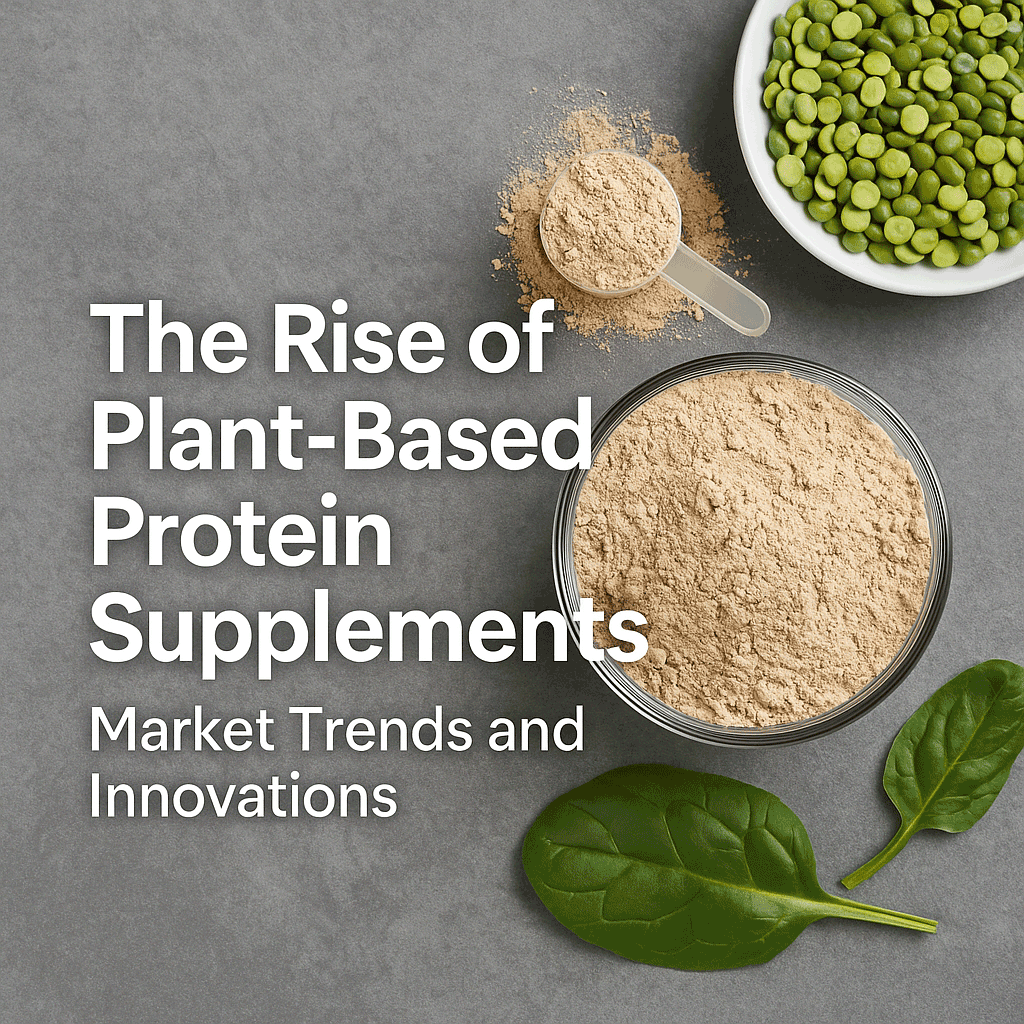
16 Jan The Rise of Plant-Based Protein Supplements: Market Trends and Innovations
Introduction: The Growing Demand for Plant‑Based Protein Supplements
In recent years, the global demand for plant based protein supplements has seen unprecedented growth, fueled by shifting dietary patterns, increasing health consciousness, and a broader cultural embrace of wellness-focused lifestyles. As consumers across global markets move away from animal-derived sources, plant based nutrition has become a central pillar of modern dietary supplements. Throughout the forecast period, this shift is expected to accelerate as individuals seek clean-label products, sustainable options, and protein supplements that support long-term health benefits.
Plant based protein supplements are gaining traction not only among vegans but also among flexitarians, athletes, individuals with food allergies, and consumers who simply want more fiber, fewer additives, and improved digestibility. As the plant based protein supplement market continues to expand, research indicates that plant based protein powders, meal replacements, functional foods, and ready to drink beverages will increasingly dominate product portfolios worldwide.
2. Plant‑Based Protein Supplement Market Overview
2.1 Global Market Size and Growth Projections
The plant based protein supplement market has grown significantly and is projected to maintain robust momentum throughout the forecast period of 2024–2034. Analysts expect market value to reach multiple billions globally, supported by a steady CAGR driven by more consumers seeking healthier and more sustainable protein sources. As plant based protein powders and ready to drink products gain market share over traditional dairy proteins, this upward trajectory is likely to continue across North America, Asia Pacific, Latin America, Europe, and the Middle East.
With a clear rise in demand, plant based protein supplements now occupy an essential place within sports nutrition, weight loss, general wellness, and medical nutrition categories. The shift reflects broader lifestyle transformations, environmental awareness, and a growing preference for plant based diets.
2.2 Key Market Drivers
Several key forces are driving the rise of plant based protein supplements:
The rise of vegan and flexitarian lifestyles
More consumers are adopting vegan lifestyles or reducing animal-derived foods in their diet. This trend boosts demand for plant proteins derived from pea, brown rice, soy, hemp, and other plant sources.
Sustainability and environmental impact
Plant based protein requires fewer resources than whey, egg whites, dairy proteins, and other animal-derived sources. As environmental concerns influence purchasing decisions, plant based grows more appealing.
Health benefits and clean-label demand
Consumers increasingly prioritize gut health, muscle gain, heart health, and digestive comfort. Plant based protein supplements offer more fiber, fewer saturated fats, and improved digestibility—important considerations for long-term health benefits.
2.3 Regional Highlights
North America: The Largest Market Share
North America continues to dominate the global plant based protein supplement market due to mature sports nutrition sectors, high protein intake awareness, and innovation in plant based protein powders, meal replacements, and beverages.
Asia Pacific: Fastest-Growing Region
Asia Pacific is projected to experience the highest CAGR during the forecast period. Growth is driven by rising incomes, increased health awareness, lactose intolerance prevalence, and a younger population seeking muscle building and weight loss solutions.
3. Nutritional and Functional Benefits of Plant‑Based Protein
3.1 Amino Acids and Muscle Support
One of the primary reasons for the rapid adoption of plant based protein supplements is their nutrient composition. Plant proteins, especially pea protein and rice protein, are rich in essential amino acids that support muscle gain, tissue repair, and metabolic function.
Pea protein
Pea protein has gained traction as a leading ingredient because it:
contains all essential amino acids
supports muscle building and post-exercise recovery
is hypoallergenic and suitable for food allergies
Brown rice protein
Brown rice protein complements pea protein by offering a strong amino acid profile and easy digestibility.
Together, these plant based components create a balanced protein source comparable to traditional whey or egg whites, with fewer allergens and side effects.
3.2 Better Digestibility and Allergen‑Free Profiles
Plant based protein supplements are naturally lactose-free, making them a preferred choice for consumers who cannot tolerate dairy proteins or whey. They are also typically gluten-free and soy-free, depending on the formulation, reducing the likelihood of digestive discomfort.
Plant based protein supports gut health through higher fiber content and reduces inflammation in the digestive system. Compared with dairy proteins, plant based alternatives are often easier for the body to absorb and metabolize, contributing to smoother digestion and improved overall health.
3.3 Supplementing Common Nutrient Deficiencies
Plant based protein supplements often include additional nutrients such as:
Vitamin B12
Omega‑3 fatty acids from algae
Iron
Vitamin D
These nutrients help consumers following plant based diets meet daily requirements and maintain a balanced nutritional profile. Antioxidants naturally present in plant based protein powders also support anti-aging, immune system resilience, and metabolic balance.
4. Product Types and Dosage Forms in Plant‑Based Protein
4.1 Protein Powders: The Leading Segment
Protein powders remain the most prominent category within the plant based protein supplement market. Their advantages include:
high protein density
customizable protein intake
compatibility with smoothies, beverages, and baking
suitability for pre-workout and post-workout routines
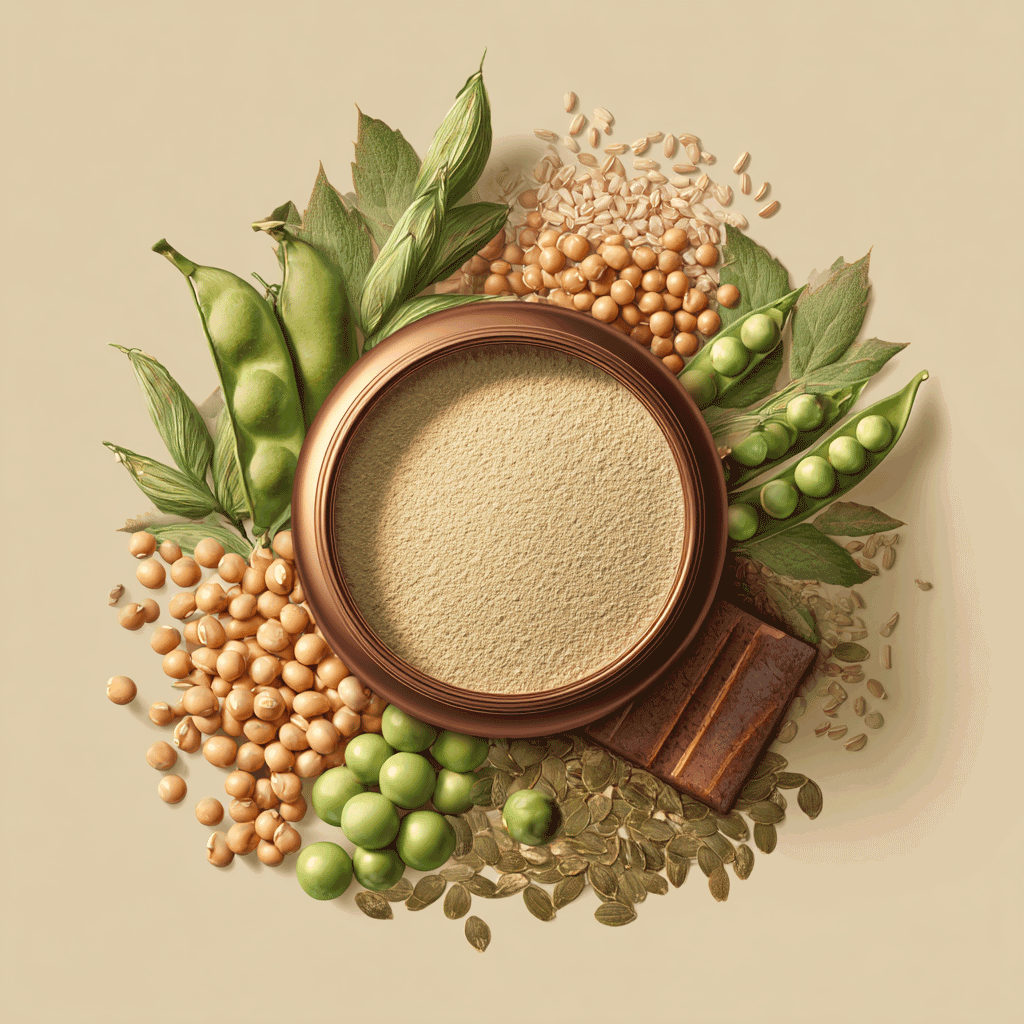
Vegan protein powder made from pea, rice, or blended plant proteins has become a staple for muscle building, sports nutrition, weight loss, and meal replacements.
4.2 Protein Bars and Ready‑to‑Drink Shakes
Protein bars appeal to busy consumers seeking convenient, nutritious snacks. They support muscle gain, weight loss, and energy maintenance throughout the day.
Ready to drink (RTD) plant based beverages are increasing rapidly in popularity because they provide:
instant nutrition
high protein absorption
portability
convenience for athletes and travelers
4.3 Capsules and Tablets
While protein powders dominate, capsules and tablets provide targeted supplementation for:
essential amino acids
vitamins
minerals
digestive enzymes
herbal support
Plant based capsules made from cellulose align with vegan lifestyles and meet demand for clean-label dietary supplements.
5. Distribution Channels and Consumer Behavior
5.1 Online Stores: Dominating Sales
E-commerce is now the most powerful distribution channel for plant based protein supplements due to:
easy comparison across brands
transparent customer reviews
direct-to-consumer (D2C) models
increased consumer spending online
Online platforms support cross-selling, personalized product recommendations, and global delivery—expanding market share for companies in the plant based protein supplement market.
5.2 Supermarkets and Hypermarkets
Despite e-commerce growth, supermarkets and hypermarkets remain crucial in Asia Pacific, Latin America, and the Middle East. These offline channels provide:
immediate product access
trust-building product displays
physical inspection of protein powders and RTD beverages
This channel expansion reflects how plant based protein supplements continue to enter the mainstream diet of more consumers worldwide.
6. Innovations in Raw Materials and Ingredient Sourcing
6.1 Pea Protein: Fastest Growing Segment
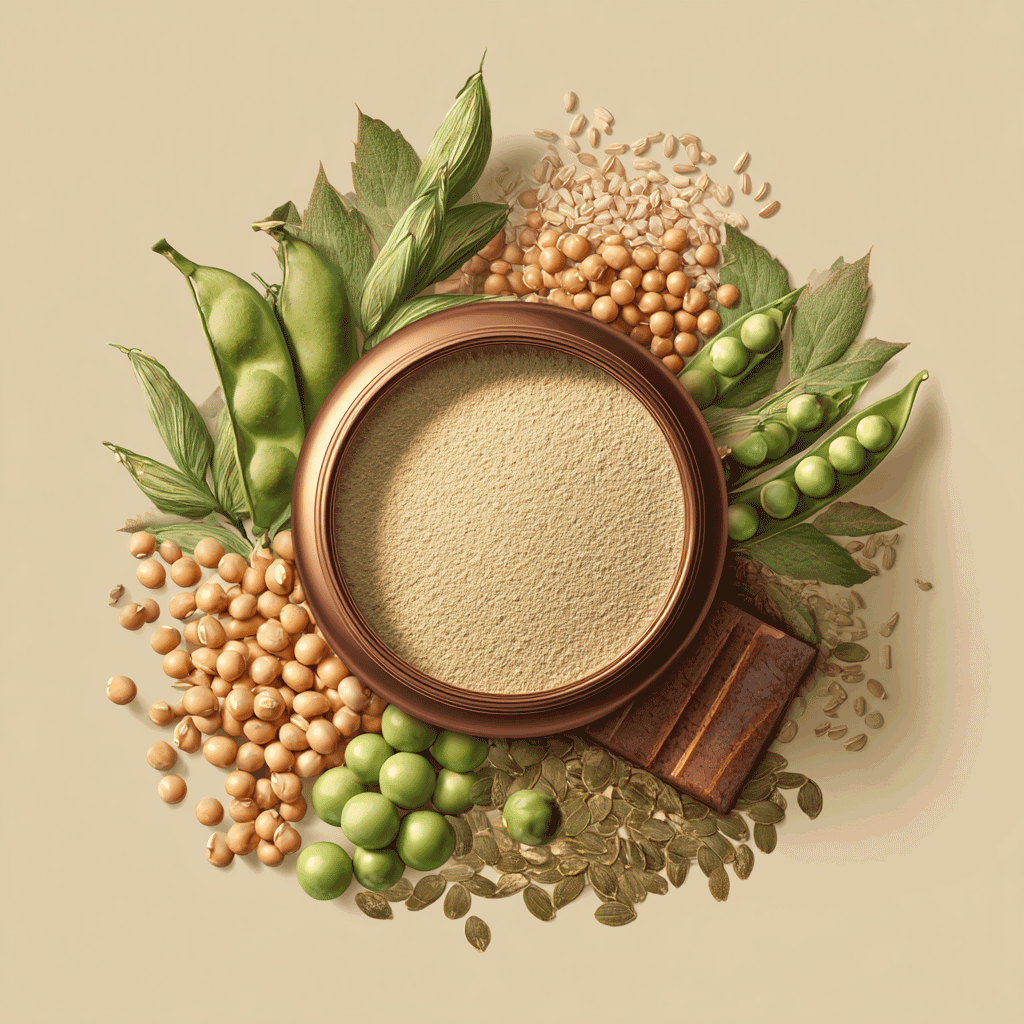
Among the various plant sources, pea protein has emerged as a star ingredient in the plant based protein supplement market. Its growing popularity is rooted in several advantages:
High digestibility: Pea protein is gentle on the stomach and free from common allergens like dairy, gluten, and soy.
Rich in iron: Many consumers on plant based diets experience iron deficiency. Pea protein offers a bioavailable, vegan-friendly source.
Hypoallergenic profile: Unlike egg whites or whey, pea protein rarely triggers food allergies.
Functional applications: It blends well into protein powders, functional foods, fortified beverages, and ready to drink (RTD) shakes.
This versatile protein source supports multiple product formats while helping manufacturers meet safety, sustainability, and nutritional standards.
6.2 Soy, Rice, and Hemp Proteins
Soy protein has long been used in plant based food products due to its complete amino acid profile. It remains popular in Asia Pacific and Latin America, though some consumers avoid soy due to allergen concerns or dietary preferences.
Brown rice protein is rich in B vitamins and complements pea protein in blended formulations. It also appeals to consumers seeking lactose free, gluten-free options.
Hemp protein, derived from hemp seeds, is gaining popularity for its omega-3 content, fiber, and unique micronutrient profile. Though still niche, it is increasingly used in premium health products and sports nutrition.
These diverse ingredients allow manufacturers to customize formulations, meet regulatory standards, and adapt to regional consumer preferences.
7. Regional Trends and Growth Forecasts
7.1 North America: Leading in Demand and Innovation
North America remains the largest market for plant based protein supplements. Several factors contribute to this dominance:
Advanced nutrition science and R&D: Leading research institutions and supplement manufacturers focus on ingredient safety, innovation, and new dosage forms.
Strong distribution channels: From health stores to online giants, North America boasts a robust retail infrastructure.
Consumer education: Consumers in the region are more aware of the health benefits of plant based protein, including muscle gain, weight loss, and gut health.
The region also benefits from established regulatory frameworks that support product labeling, allergen disclosure, and sustainability claims—encouraging the use of third-party certifications and clean labels.
7.2 Asia Pacific: The Next Growth Frontier
The Asia Pacific region is forecast to experience the most rapid growth during the forecast period. Major contributing factors include:
Urbanization and economic development: Rising disposable incomes in China, India, Southeast Asia, and Australia are driving demand for nutritious, convenient food products.
High prevalence of lactose intolerance: Consumers seek lactose free alternatives to traditional dairy proteins.
Expanding retail infrastructure: Hypermarkets and specialty health stores are growing, making plant based protein supplements more accessible.
Cultural familiarity with plant based diets: Many Asian diets already emphasize plant sources like legumes, soy, and rice—facilitating smoother market integration.
As the region continues to shift toward wellness and sports nutrition, distribution channels will play a crucial role in driving product availability and visibility.
8. Challenges and Market Opportunities
8.1 Restraints: Digestive Issues and Ingredient Safety
Despite the positive outlook, several challenges remain:
Digestive sensitivities: Not all plant based proteins are equally tolerated. Some consumers report bloating or discomfort when consuming pea, soy, or fiber-rich formulas.
Presence of heavy metals: Plant sources grown in contaminated soil may contain harmful levels of heavy metals like lead or cadmium. Ensuring clean sourcing and regular testing is essential.
Allergen cross-contamination: Though many formulations are gluten free and lactose free, shared manufacturing facilities pose risks without rigorous ingredient certification and sanitation protocols.
Regulatory hurdles: Different regions enforce varied compliance standards, especially regarding labeling, health claims, and allowable food additives.
To overcome these, manufacturers should prioritize third-party testing, transparent sourcing, and alignment with regulatory compliance in target markets.
8.2 Opportunities: Personalized Nutrition and Functional Foods
As the plant based protein supplement market matures, innovation is increasingly focused on customized formulations and value-added products:
Personalized supplements tailored to an individual’s goals (e.g., muscle gain, gut health, or weight loss) are in high demand.
Functional foods and meal replacements that combine plant based protein, probiotics, adaptogens, and micronutrients provide a holistic nutrition solution.
Elderly nutrition: Aging populations in Europe, Japan, and China are creating a surge in demand for easy-to-digest, protein-rich products that support bone density and muscle mass retention.
Active lifestyle products: High-protein RTD beverages, bars, and vegan sports nutrition supplements are booming, especially among millennials and Gen Z consumers.
There is also strong momentum behind sustainable options, with more companies investing in precision fermentation and regenerative agriculture to improve environmental impact and nutrient density.
9. Future Outlook and Conclusion
The future of the plant based protein supplement market is dynamic and promising. Key trends expected to define the forecast period include:
Growth in flexitarian diets: As more consumers reduce—but do not eliminate—animal products, plant based protein supplements will become a staple in hybrid diets.
Advances in technology: Innovations in enzyme treatment, flavor masking, and ingredient blending are making vegan protein powders taste and perform better.
Eco-conscious branding: Sustainability is no longer optional; it is a major selling point across all distribution channels. Clean-label, carbon-neutral, and recyclable packaging will become the standard.
Global market expansion: Beyond North America and Asia Pacific, markets in Latin America, the Middle East, and Africa are poised to adopt plant based supplements as economic and infrastructure growth continues.
In conclusion, plant based protein supplements offer a compelling blend of nutrition, functionality, and market opportunity. With more consumers prioritizing wellness, ethical sourcing, and dietary supplements that deliver real results, the future belongs to brands and manufacturers who can provide high-quality, sustainable, and scientifically validated plant based solutions.