


03 Sep Gummy Vitamin Revolution: Why Private Label Gummies Are Skyrocketing
1. The Rapid Growth of the Gummy Vitamins Market
The global gummy vitamins market is undergoing a significant transformation. As of 2024, it was valued at $4.36 billion and is forecasted to reach an estimated $7.18 billion by 2034, indicating a compound annual growth rate (CAGR) of approximately 5.1%. This growth is fueled by shifting consumer preferences and increasing demand for chewable supplements that blend health with taste and convenience.
Unlike traditional vitamin supplements that come in pill or capsule form, gummy supplements are more palatable, particularly for individuals who dislike swallowing pills. As a result, they’re rapidly capturing market share from conventional formats and making inroads across multiple segments—from vitamin C and zinc for immune support to biotin for beauty and iron for energy.
The gummy industry has expanded beyond basic multivitamins. Today’s consumers are demanding functional benefits from their supplements. Essential nutrients such as amino acids, minerals, fatty acids, and specialized botanicals are increasingly being formulated into gummy vitamins for better overall health and well-being.
2. Why Adults Are Choosing Gummy Supplements
While gummies were initially designed for children, adult gummy vitamins are now gaining significant traction. This shift reflects broader lifestyle and nutrition trends. Adults are seeking enjoyable, simple, and effective solutions to meet their dietary needs, and gummy supplements offer an easy way to eat nutrients without the inconvenience of swallowing large pills.
A growing number of adults experience pill fatigue or have medical conditions that make swallowing pills uncomfortable. For them, chewable options are not just appealing—they’re essential. Additionally, vitamin gummies provide a candy-like experience, turning supplementation into a moment of pleasure.
Modern adult gummies are available in a wide range of formulations targeted toward specific concerns: immune system support with vitamin C and zinc, joint health with collagen and glucosamine, bone health with calcium and vitamin D, and even brain health with omega-3 fatty acids. Others target energy levels, skin health, and weight management.
These targeted supplements align with the increasing number of consumers focused on healthy lifestyles, nutritional supplementation, and long-term wellness. From functional food trends to self-care routines, adult gummies have found a meaningful place in the daily lives of health-conscious individuals.
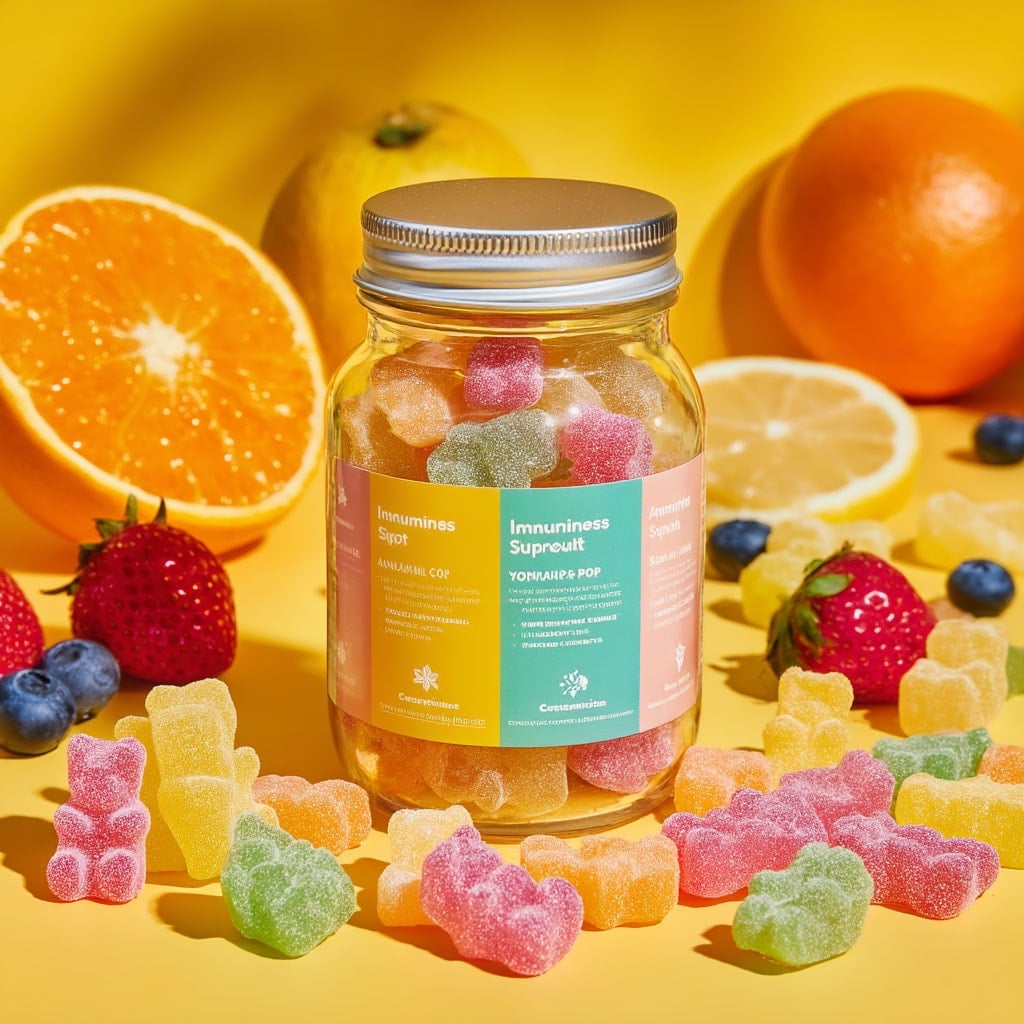
3. Health Considerations: Sugar Content in Gummy Vitamins
Despite their many health benefits, one issue that has attracted attention in the gummy supplements category is added sugar. Many vitamin gummies use sugar or sugar alcohols to enhance flavor and texture, but rising health consciousness is pushing both manufacturers and consumers to look for lower-sugar alternatives.
Consuming multiple gummies a day can contribute to excess sugar intake, which is a concern for people monitoring blood sugar levels, those on weight management plans, or individuals with specific dietary restrictions. In some cases, vitamin overdose becomes a risk if consumers exceed the recommended dosage due to the pleasant taste of the gummies.
In response to these concerns, the market has seen an increase in low-sugar and sugar-free options. These formulations often use natural sweeteners or plant-based sugar alternatives to maintain palatability without compromising on health.
Increased regulatory scrutiny—particularly regarding food laws affecting label disclosures—has also spurred changes. Labels must now clearly state the sugar content, prompting healthcare professionals and nutritionists to emphasize consumer education. The functional benefits must be balanced against the risk of overconsumption and sugar-related health issues.
4. Private Label Expansion in the Gummy Market
The private label segment in the gummy vitamins space is witnessing exceptional momentum. As consumer spending on vitamins and supplements increases, retailers are launching exclusive gummy supplements lines under their own brands.
Private label brands offer flexibility in custom formulations, allowing retailers to create gummy supplements that align with emerging market trends, such as immune health, sports nutrition, pregnant women’s needs, and vegan preferences. With the rise of organic supplements and natural ingredients, private label producers can adapt rapidly to evolving consumer preferences.
This segment’s competitive landscape is being reshaped as private labels match or exceed the quality of legacy brands while offering competitive pricing. They also provide more control over brand identity, packaging, and product differentiation. As a result, private label options are increasing in both variety and market share, particularly in mass-market retail and online sales channels.
Retailers and distributors are capitalizing on the gummy market’s significant growth and forecast period outlook by investing in gummy production capabilities or partnering with key players that offer white-label services. This shift is fostering innovation, including specialized vitamin supplements for bone health, gut health, heart health, and energy.

5. Reaching Consumers: Trends in Distribution Channels
The way gummy supplements are marketed and distributed has evolved dramatically. E-commerce and online sales now account for a substantial portion of the gummy industry’s revenue. The convenience of browsing products, reading reviews, comparing formulations, and getting home delivery has made digital platforms a favorite for supplement shoppers.
Social media influencers, healthcare professionals, and digital wellness communities play a major role in shaping consumer preferences. These platforms provide education, highlight health benefits, and build trust, especially when consumers are navigating a saturated vitamins and supplements category.
Meanwhile, brick-and-mortar retailers continue to optimize their in-store experience by offering curated selections of adult gummies alongside traditional pills. The visual appeal and flavor promise of gummies make them perfect for point-of-sale placement. However, as shelf space grows more competitive, distribution channels need to innovate through targeted marketing, sampling, and exclusive product bundles.
Regional differences also influence distribution strategy. For example, in the Asia Pacific and Middle East markets, gummy supplements are gaining popularity thanks to increasing health awareness, rising disposable incomes, and a growing interest in Western health trends. Localization of marketing messages and regional market entry strategies are crucial for manufacturers targeting these markets.
Conclusion: The Future of Gummy Supplements
From candy-like vitamin gummies to specialized adult gummy vitamins that deliver amino acids, essential vitamins, and minerals, the gummy market is redefining the supplements experience. The growing popularity of gummies is not a fad—it’s a result of sustained shifts in consumer behavior, rising interest in overall health, and the desire for easy-to-use, flavorful alternatives to pills and capsules.
Whether addressing immune support, joint health, brain health, or weight management, gummies offer consumers a unique combination of functionality, taste, and compliance. As the gummy vitamins category continues to grow, brands—particularly in the private label space—must focus on innovation, sugar control, distribution optimization, and targeted nutrition.
With strong forecast period projections and room for significant growth, the gummy industry will remain a cornerstone of the vitamins and supplements world. For companies aiming to expand into high-demand sectors, gummy supplements provide a lucrative, dynamic, and delicious pathway to success.