

09 Mar Holistic Gut Health: Prebiotics, Probiotics & Postbiotics in Supplements
Introduction: The Rise of Holistic Gut Health Solutions
Over the past decade, the global wellness industry has experienced a profound transformation centered on gut health. Increasing scientific evidence shows that the digestive tract is not merely responsible for digestion but acts as a central hub influencing immunity, metabolism, cognition, and emotional well-being. As a result, consumers around the world are paying more attention to maintaining a gut healthy lifestyle through balanced diets, prebiotic foods, probiotic foods, and dietary supplements targeting microbial diversity. This shift is reflected in a strong gut health supplements trend, as both healthy people and individuals with specific health conditions seek natural ways to improve overall health.
The growing demand is also driven by better public understanding of the gut microbiome, the complex community of beneficial microbes, live bacteria, and good gut bacteria residing in the gastrointestinal tract. The gut microbiome plays a role in producing short chain fatty acids, regulating immune responses, and helping the body absorb nutrients. Data suggest that changes in microbiome diversity can influence digestive system comfort, immune status, weight management, blood sugar balance, and even mood-related pathways.
Historically, probiotics were considered the core solution for gut health. However, recent advancements in science have expanded the focus to include prebiotics, probiotics, and postbiotics. While probiotic supplements and probiotic products remain widely popular, limitations such as survivability, storage concerns, and gastrointestinal discomfort have encouraged consumers to explore complementary solutions. Meanwhile, fermented foods, whole foods, and high fiber foods continue to hold cultural and nutritional significance as natural sources of gut-supporting components.
As research deepens, the gut health market is shifting toward multi-biotic strategies that combine prebiotic foods, oral probiotics, and emerging postbiotic ingredients for more consistent, science-backed outcomes. This holistic perspective is now redefining how consumers and professionals—such as registered dietitians and healthcare practitioners—evaluate gut health interventions.
Understanding the Gut Microbiome Ecosystem
What Is Gut Health?
Gut health refers to the optimal function of the digestive tract and the balanced interaction of gut microbes within the gastrointestinal tract. A healthy gut is characterized by microbial diversity, balanced populations of beneficial bacteria, and strong resilience against harmful microorganisms. Good bacteria and beneficial microbes help break down nutrients, produce enzymes essential for digestion, metabolize fibers into short chain fatty acids, and influence the activity of immune cells.
Microbiome Diversity and Why It Matters
Microbiome diversity is a crucial indicator of overall gut health. Higher diversity often correlates with better metabolic flexibility, enhanced immune system regulation, and reduced risk of health conditions such as ulcerative colitis, cystic fibrosis–related digestive issues, antibiotic associated diarrhea, and gastrointestinal discomfort. Previous reports highlight that populations consuming more prebiotics, whole grains, fruits, vegetables, and fermented foods tend to exhibit greater gut microbial diversity.
Gut Health and the Immune System
Approximately 70% of the immune system resides in the gut. Immune cells interact constantly with bacteria in your gut, which help regulate immune responses, including regulatory T cells. Probiotic bacteria and beneficial effects of live microorganisms support immune defenses by strengthening the intestinal barrier, promoting balanced inflammatory responses, and optimizing nutrient absorption. For this reason, gut health is increasingly linked to systemic immunity and resilience against infections.
Prebiotics: Foundational Nutrition for Beneficial Bacteria
What Are Prebiotics?
Prebiotics are naturally occurring fibers and compounds that nourish good bacteria in the gut. Unlike probiotics, which introduce new live microbes, prebiotics feed the beneficial bacteria already present. Prebiotic foods include whole grains, bananas, garlic, onions, asparagus, legumes, and other high fiber foods that support balanced gut microbes.
The Role of Prebiotics in a Healthy Diet
Eating prebiotic foods regularly enhances microbiome diversity by stimulating the growth of beneficial bacteria such as bifidobacterium breve and bifidobacterium longum. A diet rich in whole foods and more prebiotics is associated with improvements in bowel regularity, digestion, weight loss support, and stable blood sugar management. Meta analysis findings show that a prebiotic-rich diet can also mitigate gastrointestinal discomfort and support long-term digestive health.
Potential Health Benefits of Prebiotics
• Improved digestive system comfort
• Increased short chain fatty acids production
• Enhanced nutrient absorption
• Balanced immune responses
• Reduced inflammation in the gi tract
Prebiotics serve as a foundational element for holistic gut support and are often combined with probiotics and postbiotics in modern dietary supplements.
Probiotics: Live Microorganisms Supporting Digestive and Immune Health
What Are Probiotics?
Probiotics are live bacteria that contribute beneficial effects when consumed in adequate amounts. Probiotic supplements and probiotic foods—such as yogurt, kefir, kimchi, sauerkraut, and other fermented foods—contain live and active cultures that help restore microbial balance within the digestive system.
Mechanisms of Action
Probiotic species such as bifidobacterium longum function by:
• Enhancing the population of good bacteria
• Supporting digestion and enzyme activity
• Competing with harmful bacteria
• Reducing antibiotic associated diarrhea
• Supporting immune status
When the body adjusts to probiotics, improvements may occur gradually as the digestive tract stabilizes.
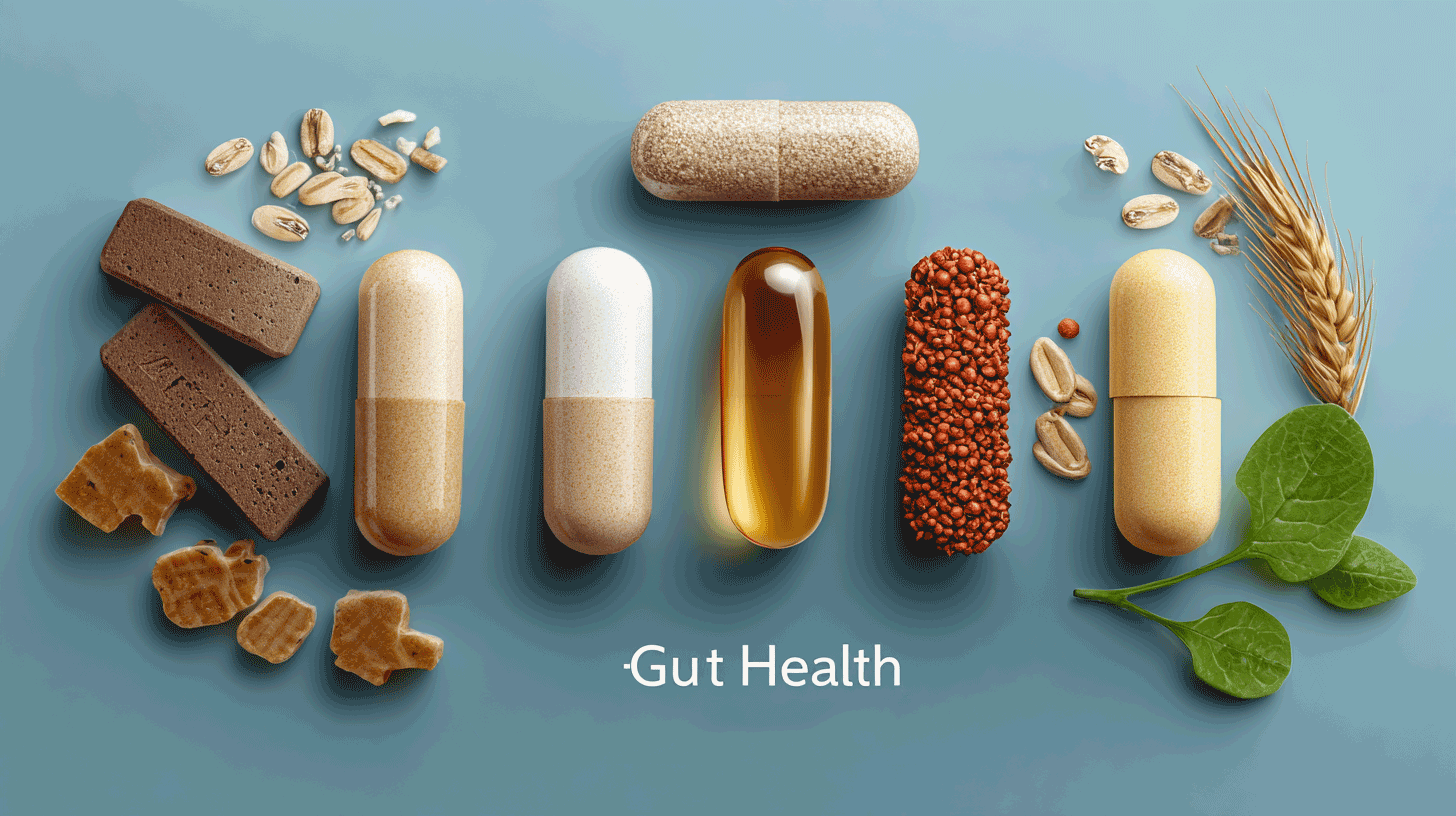
Benefits and Limitations of Probiotics
Health Benefits:
Enhanced digestive comfort
Support for immune responses
Better nutrient absorption
Potential improvements in metabolic health
Reduced risk of digestive discomfort following antibiotic use
Limitations:
Sensitivity to heat and stomach acid
Inconsistency in survivability
Strain-specific effectiveness
Possible gastrointestinal discomfort
Oral probiotics must survive the harsh environment of the stomach to reach the lower digestive tract. Not all live cultures maintain potency through storage, shipping, or digestion, which has motivated the search for more stable alternatives.
Postbiotics: The Next Generation of Gut Health Solutions
Postbiotics represent the evolution of gut health science. Unlike probiotics, which rely on live bacteria, postbiotics consist of inactivated beneficial microbes or their metabolites. These compounds remain bioactive and capable of delivering health benefits without requiring the survivability challenges of live bacteria.
Why Postbiotics Are Gaining Popularity
• Heat stable and shelf-stable
• Easier to formulate into supplements
• Suitable for beverages, powders, gummies, and heat-treated foods
• Produce beneficial effects similar to probiotics
• Consistent performance across different digestive conditions
Potential Health Benefits
Improved immune system activity
Better digestive comfort
Support for emotional well-being
Enhancement of nutrient absorption
Reinforcement of the gut barrier
Postbiotics also complement prebiotic and probiotic foods, forming a comprehensive multi-biotic support system.
Multi-Biotic Strategies: Pre + Pro + Post for Maximum Impact
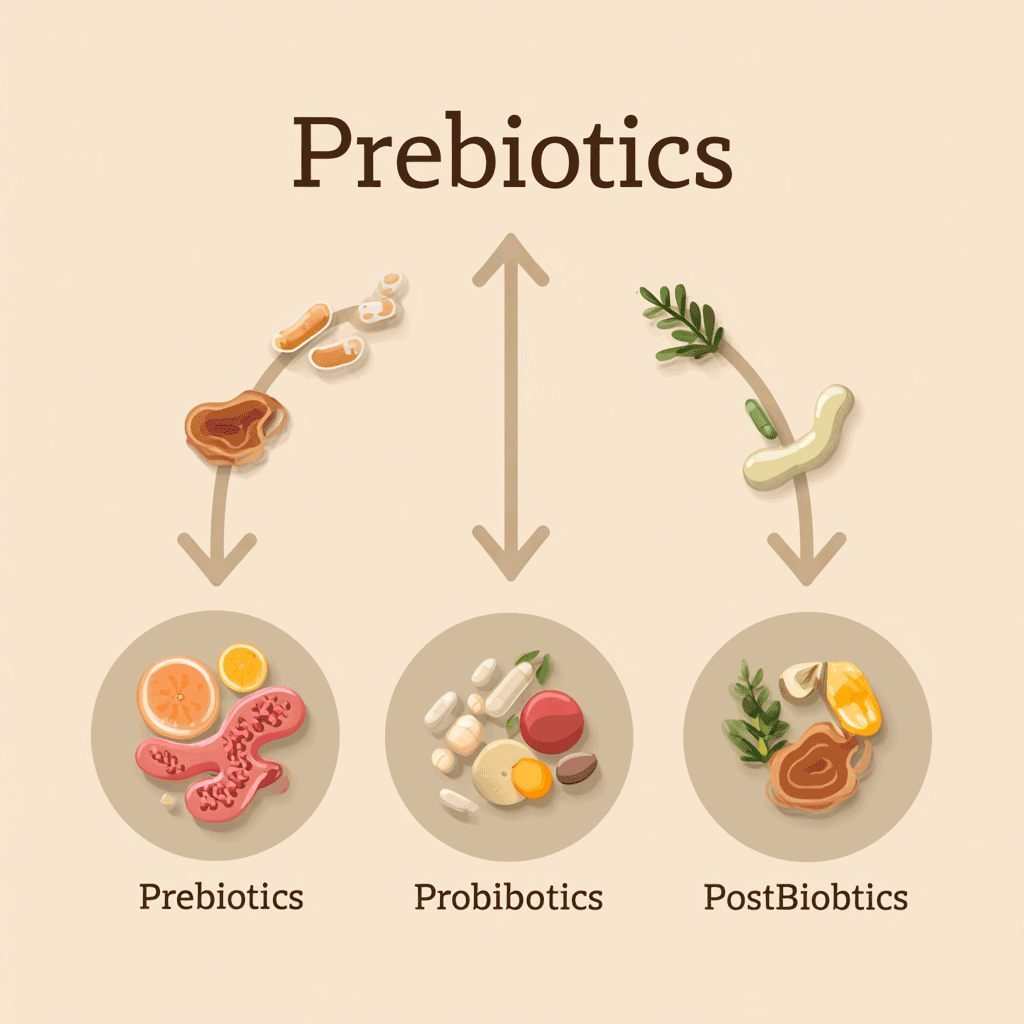
Modern gut health solutions increasingly combine prebiotics, probiotics, and postbiotics to provide synergistic benefits. These formulas support microbial diversity while providing consistent digestive and immune support.
Synergistic Functions
• Prebiotics feed beneficial microbes
• Probiotics replenish good bacteria
• Postbiotics deliver targeted metabolites
This holistic approach can improve overall gut health more effectively than single-biotic supplementation.
Global Market Trends and Consumer Drivers
The gut health supplements trend is expanding rapidly. Consumers seek alternative solutions for digestive comfort, immune system resilience, and metabolic health. Health food stores, online retailers, and wellness platforms have reported growing interest in:
• probiotic products
• fermented foods
• multi-biotic dietary supplements
• natural digestive support solutions
Market expansion is also driven by increasing awareness of microbiome diversity, nutrient absorption, and the potential health benefits of gut-focused interventions.
The Gut–Immune System Axis
Balanced gut microbes influence immune cells and regulatory T cells, supporting stronger immune responses.
Metabolism and Weight Management
A balanced digestive tract helps break down nutrients efficiently, supports energy metabolism, and influences weight loss pathways.
Gut–Brain Axis
The gut communicates with the brain through biochemical messengers, influencing mood, stress responses, and cognitive health.
Health Conditions Linked to Gut Health
Scientific evidence shows links between gut microbiome imbalance and conditions such as:
• ulcerative colitis
• cystic fibrosis–related digestive challenges
• heart disease risk influenced by inflammation
• antibiotic associated diarrhea
• chronic digestive issues
Restoring good bacteria and beneficial microbes can help reduce symptom severity and promote recovery.
Ingredient Innovations in Gut Health Supplements
Emerging technologies allow targeted delivery of probiotic bacteria and live cultures to specific locations in the gi tract. Innovations include:
• controlled-release capsules
• multi-layer coatings protecting live microorganisms
• advanced fermentation processes
• enzyme-boosting ingredients
These developments support stable supplements that deliver beneficial effects across diverse digestive system environments.
Challenges and Opportunities
Challenges:
Inconsistent survivability of live bacteria
Consumer confusion between biotic categories
Need for data-driven formulations
Opportunities:
Multi-biotic formulations
Fermented foods innovation
Personalized gut health solutions
Increased consumption of prebiotic and probiotic foods
A New Era of Comprehensive Gut Health
Holistic gut health is becoming a central pillar of modern wellness. As research into beneficial bacteria, microbial diversity, and the gut microbiome expands, consumers are recognizing the digestive tract as a foundation for immune system strength, nutrient absorption, metabolic balance, and overall health. The synergy among prebiotics, probiotics, and postbiotics offers a powerful pathway for supporting gut healthy lifestyles.
With increasing interest in gut health supplements trend, the future of digestive wellness will focus on multi-biotic solutions, evidence-backed formulations, and a deeper understanding of how bacteria in your gut influence the entire body. Supported by scientific findings, traditional whole foods, fermented foods, and dietary supplements together create a comprehensive approach for maintaining a robust digestive system and enhancing long-term well-being.