

28 Feb Sleep Support Supplements Key Ingredients for a Restful Night
Introduction: The Global Shift Toward Natural Sleep Aid Supplements
Sleep has become one of the most essential—and most challenging—pillars of human health in the modern world. Across continents, people are experiencing rising levels of sleep deprivation, difficulty staying asleep, and chronic nighttime restlessness. Surveys consistently show that a significant percentage of adults experience poor sleep quality at least once a week, while many report ongoing struggles with trouble falling asleep, shortened sleep duration, or waking repeatedly throughout the night. These widespread concerns are not only undermining people’s energy levels and productivity but also contributing to broader issues related to physical health, mood stability, cognitive performance, and immune function.
As sleep disturbances increase, so does the global interest in sleep health. Consumers are re-evaluating their nighttime routines and searching for safer alternatives to traditional pharmacological solutions. While prescription sleep aids have long been used for severe sleep disorders, such as chronic insomnia or primary insomnia, many individuals are now concerned about potential side effects, dependency risks, and interactions with other medications. These concerns have triggered a major shift toward natural sleep aids, which are perceived as gentler, non-habit-forming, and capable of supporting the body’s inherent capacity for rest.
This shift explains the rapid rise of the natural sleep aid supplements industry. Once considered fringe or alternative, natural sleep supplements such as melatonin supplements, magnesium supplements, herbal remedies like valerian root, chamomile, and passionflower, as well as amino acids like L-theanine and glycine, are now widely recognized as effective tools for improving sleep. Research suggests that many natural sleep-promoting compounds can support melatonin production, reduce stress-related arousal, shorten sleep latency, enhance subjective sleep quality, and encourage more restful sleep.
The global market for sleep support solutions has also been shaped by social and technological forces. Online communities discuss “before and after” sleep routines; hashtags related to sleep, relaxation rituals, and calming nighttime drinks have gone viral. At the same time, digital wellness tools—such as sleep-tracking apps and wearable devices—have increased consumer awareness of their nighttime patterns, prompting millions to seek natural supplements to improve sleep metrics like REM duration and nighttime recovery.
Moreover, the concept of “natural sleep” is expanding alongside the broader trend toward complementary and integrative health. Consumers increasingly view sleep not merely as a standalone biological process but as part of an interconnected system that includes stress reduction, emotional health, circadian rhythm balance, and holistic lifestyle choices. Ingredients that support relaxation, emotional well-being, and stress resilience are therefore gaining as much traction as traditional sleep-promoting botanicals. This explains the growing popularity of natural compounds such as saffron, tart cherry, magnesium, and adaptogenic herbs that can influence both mood and sleep regulation.
Additionally, global demand for safe natural sleep aids is being driven by widespread concerns over stress-induced insomnia, anxiety-related wakefulness, jet lag, shift-work sleep disturbances, and lifestyle contributors such as constant screen exposure. Even individuals who experience only an occasional sleepless night are now turning to dietary supplements to help support their nightly wind-down routine.
The rise of natural sleep aid supplements reflects an important cultural and scientific evolution. As people become more proactive about their well-being, they are choosing products that promote “a good night’s sleep” without relying on sedative medications. This marks a fundamental shift in consumer behavior—from viewing sleep as a biological necessity to seeing it as an essential component of long-term health, emotional resilience, and overall quality of life.
Understanding Natural Sleep Aid Supplements
Improving sleep has become a significant focus in modern wellness, and natural sleep aid supplements now stand at the center of this transformation. These supplements are increasingly used by individuals experiencing anything from occasional sleepless nights to more persistent sleep difficulties, such as chronic insomnia, stress-induced insomnia, or ongoing sleep disturbances caused by lifestyle habits or emotional stress. To understand why natural sleep solutions have surged in popularity, it is important to examine what these supplements are, how they differ from traditional pharmacological options, and what scientific research suggests about their safety and effectiveness.
2.1 What Are Natural Sleep Supplements?
Natural sleep supplements are dietary supplements formulated to help individuals fall asleep faster, stay asleep longer, and achieve deeper, more restful sleep. They typically contain naturally derived ingredients such as botanical extracts, nutrients, amino acids, or minerals that support the body’s internal sleep regulation pathways. Their purpose is not merely to sedate the user—like many sedative medications—but rather to encourage natural sleep by working in harmony with the body’s biological systems.
Common natural ingredients include:
Melatonin supplements, which help regulate circadian rhythms and sleep onset
Magnesium supplements, which reduce nervous system excitation
Herbal medicine extracts such as valerian root, passionflower, chamomile, and lemon balm
Amino acids like L-theanine and glycine that calm the brain and help shorten sleep latency
Botanicals like saffron that may support relaxation, emotional balance, and improved subjective sleep quality
Unlike many prescription solutions, natural sleep supplements often aim to improve overall sleep quality rather than simply increasing sleep duration.
2.2 Natural vs. Prescription Sleep Aids: Key Differences
Traditional prescription sleep aids and other pharmacological treatments are typically used to treat severe sleep disorders, including primary insomnia and some cases of insomnia disorder. These medications work quickly and can force the body into a sedated state. However, they may carry risks such as:
Next-day drowsiness and daytime sleepiness
Memory disturbances
Potential dependency or tolerance
Interaction with other medications
Reduced natural melatonin production
Unfavorable changes in sleep architecture, preventing restorative nighttime sleep
In contrast, natural sleep aids tend to focus on gently supporting the body’s natural processes. They aim to reduce stress, lower nighttime arousal, regulate body temperature, and promote healthy neurotransmitter activity. Ingredients like magnesium, valerian root, or tart cherry extract may help regulate brain activity involved in calming the nervous system, sometimes described as regulating brain electrochemical activity.
For most individuals experiencing mild sleep disturbances, natural products may offer a more sustainable and holistic approach. In addition, research suggests that many botanical and nutrient-based ingredients can support better nighttime rest without the same risks associated with pharmaceutical sedatives.
2.3 Are Natural Sleep Aids Safe? What Research Says
Safety is one of the primary reasons consumers are increasingly drawn to natural sleep aids. When used correctly and sourced from reputable companies following good manufacturing practices, many of these supplements are considered natural sleep aids safe for daily use—especially for individuals who do not want the potential risks that come with long-term use of prescription medications.
Still, it is essential to acknowledge that “natural” does not automatically mean “risk-free.” Even natural ingredients may interact with:
Blood pressure medications
Anxiety medications
Drugs affecting liver enzymes
Medications for high blood pressure or liver disease
This is why healthcare professionals, including integrative practitioners and sleep specialists, emphasize choosing safe natural sleep aids with clear labeling, standardized dosing, and evidence-based formulations. For older adults, who may be more sensitive to sedating agents, natural supplements such as magnesium, glycine, and chamomile tea often provide gentle support with fewer side effects.
A growing body of systematic review research supports the use of magnesium supplementation, valerian root, melatonin supplementation, and amino acids like L-theanine in improving sleep onset, sleep latency, and overall quality. Recent placebo-controlled trial outcomes also show benefits in reducing anxiety-related wakefulness and improving nighttime relaxation.
Consumers are also incorporating natural sleep aids into broader complementary and integrative health routines—pairing supplements with healthy sleep habits such as maintaining a regular sleep schedule, reducing screen exposure before bed, and creating a calming nighttime ritual.
2.4 The Role of Natural Sleep Aids in Modern Wellness
Natural sleep supplements today are no longer seen merely as remedies but as part of a broader approach to nightly restoration. Many consumers pair herbal tea, essential oils like lavender essential oil, magnesium powder, or calming botanicals with lifestyle strategies such as breathing exercises or light stretching before bed.
The modern idea of a good night’s sleep is tied not only to physical rest but also to emotional well-being, cognitive recovery, athletic performance, and immune resilience. As a result, natural sleep formulas often include combinations of sleep-promoting minerals, herbs, and amino acids to provide multi-dimensional support.
The rapid expansion of the sleep wellness industry shows that consumers are eager for solutions that help them fall asleep, stay asleep, and improve overall sleep health—without the risks associated with harsher pharmacological treatments.
Key Causes of Sleep Disturbance
The rapid rise in demand for natural sleep aid supplements is closely linked to an increase in global sleep challenges. As modern lifestyles evolve, more people are reporting difficulty falling asleep, staying asleep, or achieving restorative, high-quality rest. Sleep issues today are no longer limited to clinical sleep disorders; instead, they span a broad spectrum—from occasional sleepless nights to chronic, long-term insomnia. Understanding the underlying causes of sleep disturbances is crucial for developing effective natural sleep aids, sleep routines, and holistic wellness strategies.
3.1 Sleep Deprivation and Its Impact on Health
Sleep deprivation has become a widespread health issue. According to international wellness surveys, a large portion of adults experience poor sleep quality at least once a week, with many dealing with long-term disruption. Inadequate sleep impacts almost every major system of the human body, influencing:
Cognitive performance
Emotional stability
Immune function
Metabolic health
Cardiovascular health
Chronic lack of sleep is strongly associated with increased risks of anxiety, high blood pressure, weight gain, weakened immunity, and reduced stress tolerance. In addition, insufficient sleep disrupts the body’s natural melatonin production and impairs nighttime recovery processes.
Many consumers experiencing sleep deprivation turn to natural sleep supplements—including melatonin, magnesium, and herbal preparations—to improve sleep quality and help maintain a healthier sleep-wake rhythm.
3.2 Effects of Screen Exposure, Stress, and Modern Lifestyles
One of the most prominent contributors to sleep problems is the modern digital lifestyle. Excessive screen use, especially in the hours leading up to bedtime, suppresses melatonin production. Blue light exposure signals the brain to remain alert, delaying sleep onset and increasing sleep latency.
Major lifestyle-related triggers include:
Stress and Anxiety
Persistent stress—whether from work pressure, emotional strain, or daily responsibilities—can cause stress-induced insomnia. Elevated cortisol levels at night interfere with the ability to unwind, making it harder to fall asleep faster or stay asleep. Many individuals with anxiety disorders also report chronic difficulties maintaining deep sleep.
Irregular Routines
Inconsistent schedules, late-night meals, irregular exercise habits, and disrupted circadian rhythms contribute to trouble falling asleep. A regular sleep schedule is essential for stable melatonin regulation and improved sleep health.
Excessive Caffeine and Stimulant Use
High intake of caffeine or energy drinks late in the day prolongs sleep latency and reduces overall sleep duration. These habits increase reliance on natural sleep aids or herbal teas to counter overstimulation at night.
Overwork and Urban Lifestyles
Long working hours, shift work, and exposure to fast-paced environments are major contributors to insomnia symptoms. Shift workers commonly experience trouble maintaining nighttime sleep and often seek complementary and integrative health solutions like magnesium supplementation, L-theanine, and valerian root to reset their rhythms.
3.3 Why Consumers Are Actively Seeking Help to Fall Asleep
The rise in natural sleep supplements directly reflects growing consumer frustration with poor nighttime rest. Several key factors explain why both adults and older adults are turning to natural formulas to support restful sleep:
1. Increasing Prevalence of Sleep Disturbances
More people report experiencing:
Difficulty falling asleep
Frequent waking
Non-restorative sleep
Shortened sleep duration
Daytime fatigue and irritability
These concerns encourage consumers to explore gentle alternatives like safe natural sleep aids that help improve sleep quality without dependence.
2. Declining Trust in Strong Pharmaceutical Options
While prescription sleep aids remain necessary for severe insomnia, many individuals prefer to avoid:
Strong sedative effects
Lingering next-day grogginess
Risk of dependency
Drug interactions
This creates a strong demand for natural sleep aids that support restorative rest without the risks associated with prescription medications.
3. The Holistic Wellness Shift
Consumers increasingly view sleep as a central pillar of overall well-being rather than a standalone issue. This holistic mindset connects sleep with:
Stress reduction
Emotional wellness
Immune support
Better physical performance
Cognitive recovery
Natural supplements that address both sleep and mood—such as ashwagandha, magnesium, and amino-acid-based formulas—align perfectly with this evolving perspective.
4. Influence of Social Media
Online communities have drastically changed consumer behavior. Viral trends like #Sleeptok popularize natural sleep hacks and showcase real-life results using:
Magnesium glycinate
Chamomile or lavender essential oil
Melatonin supplementation
Tart cherry juice
Herbal teas or calming nighttime drinks
User-generated content not only raises awareness but also normalizes the use of natural sleep supplements as part of a nightly ritual.
3.4 The Widespread Effects of Poor Sleep Quality
Lastly, poor sleep affects far more than nighttime rest. It disrupts:
Metabolism and appetite regulation
Hormonal balance
Emotional resilience
Concentration and memory
Physical performance and recovery
With widespread awareness of these consequences, more consumers are proactively adopting sleep-promoting routines supported by herbal supplements, magnesium, glycine, and other nutrients shown to help regulate sleep pathways.
In essence, the modern sleep crisis is multi-layered, touching on psychological, physiological, and lifestyle factors. This complexity fuels strong, sustained demand for natural sleep aid supplements that address both immediate symptoms and long-term sleep health.
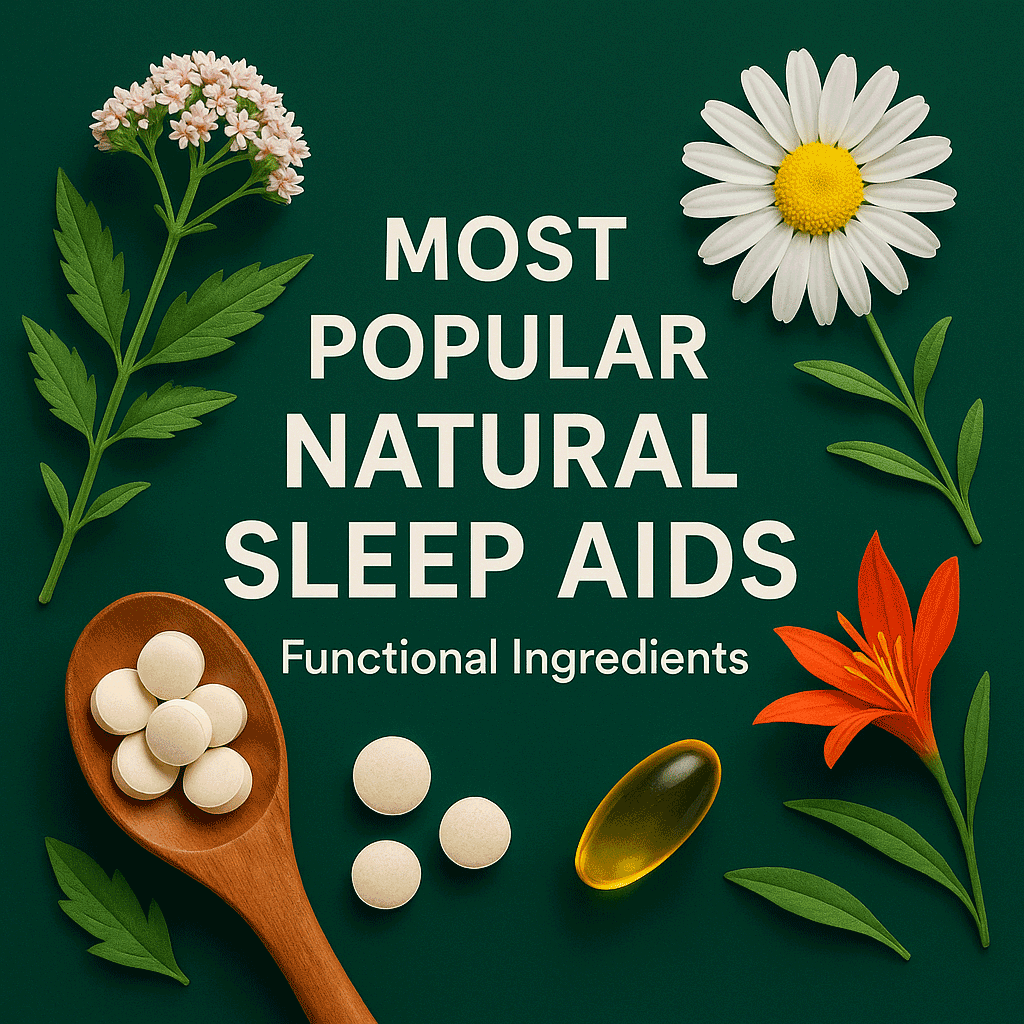
Most Popular Natural Sleep Aids & Functional Ingredients
As natural sleep solutions gain traction across global wellness markets, consumers are turning toward well-researched, gentle ingredients capable of improving sleep quality, shortening sleep latency, supporting natural sleep, and helping the human body return to a state of balance. The following functional ingredients dominate the landscape of natural sleep aid supplements, offering a range of benefits for those experiencing sleep disorders, stress-induced insomnia, primary insomnia, or occasional sleepless nights.
4.1 Melatonin: Regulating the Body’s Natural Sleep-Wake Cycle
Melatonin is one of the most commonly used natural sleep supplements, valued for its relationship with the body’s circadian rhythm. As night approaches, the pineal gland increases melatonin production, triggering signals that help the body fall asleep. However, modern lifestyles—especially exposure to blue light from screens—disrupt this natural process, causing delayed sleep onset and irregular nighttime sleep.
Benefits of melatonin supplementation include:
Reduced sleep latency (time needed to fall asleep)
Improved subjective sleep quality
Useful support for jet lag recovery
Assistance for shift workers
Non-habit-forming contribution to restful sleep
Research suggests that melatonin is most effective for those with delayed sleep phase, jet lag, or difficulty falling asleep rather than for those who struggle with staying asleep. While effective, melatonin is still classified as a hormone, meaning some consumers prefer botanical or mineral-based alternatives when seeking safe natural sleep aids for long-term use.
4.2 Magnesium: A Mineral Essential for Relaxation and Muscle Recovery
Magnesium plays an essential role in regulating brain electrochemical activity. As a mineral required for over 300 biochemical reactions, magnesium supports:
Muscle relaxation
Regulation of neurotransmitters such as GABA
Reduction of nighttime restlessness
Relief from stress-induced insomnia
Studies and systematic reviews on oral magnesium supplementation have shown improvements in both sleep duration and sleep quality, making magnesium supplements one of the most trusted natural sleep solutions for individuals experiencing poor sleep quality, irritability, or nighttime tension.
Key mechanisms:
Helps lower cortisol at night
Regulates body temperature for deeper sleep
May reduce symptoms associated with mild anxiety
Additionally, magnesium supplementation is often recommended for older adults, who tend to experience magnesium deficiency more often, contributing to disrupted sleep onset and increased nighttime awakenings.
4.3 L-Theanine: A Calming Amino Acid for Restful Sleep
L-theanine, an amino acid naturally found in tea leaves, is widely used in natural sleep aid supplements for its ability to promote relaxation without sedation. Unlike traditional sedative medications, L-theanine supports:
Lower stress levels
Improved calmness before bed
Reduced nighttime tension
Better objective and subjective sleep quality
It is particularly useful for people with trouble falling asleep due to racing thoughts, work stress, or anxiety-related sleep disturbances. It also pairs well with magnesium or low-dose melatonin, forming gentle, balanced sleep formulas.
4.4 Valerian Root: Herbal Remedy for Anxiety and Sleep Disorders
Valerian root is a cornerstone of Western herbal medicine and one of the oldest herbal approaches for treating insomnia symptoms. Often consumed as herbal tea, capsules, or extracts, valerian supports:
Reduced sleep latency
Fewer nighttime awakenings
Enhanced continuous sleep
Several placebo-controlled trials suggest that valerian may help increase GABA availability in the brain, contributing to its calming effects. Importantly, valerian root does not cause next-day drowsiness, making it a preferred herbal supplement for those who want natural calmness without sedation.
4.5 Ashwagandha: Stress-Relieving Adaptogen for Improved Sleep
Ashwagandha is a well-known adaptogen used to support stress reduction, hormone balance, and emotional well-being. For many people, stress-induced insomnia is a primary contributor to sleep problems, and ashwagandha’s stress-regulating benefits help calm the nervous system before bed.
Effects include:
Reduced cortisol levels
Support for emotional balance
Improved ability to unwind
Enhanced recovery during nighttime sleep
For individuals experiencing insomnia disorder linked to chronic stress or anxiety disorders, ashwagandha offers a gentle alternative that contributes to long-term wellness.
4.6 Passionflower, Chamomile & Lemon Balm: Gentle Botanical Options
These botanicals have long histories in traditional sleep medicine and are considered safe natural sleep aids when taken in appropriate quantities.
Chamomile
Mild sedation effects
Helps relieve stress and irritability
Useful for nighttime relaxation
Passionflower
May increase brain GABA
Effective for mild anxiety
Supports calmness before sleep
Lemon Balm
Improves mood and mental clarity
Enhances relaxation in combination formulas
These botanicals are widely used in herbal tea, capsules, gummies, or powder blends to support healthier nighttime habits.
4.7 Saffron & GABA: Mood-Enhancing and Gut-Brain Support
Saffron and GABA have become leading ingredients for sleep formulas targeting both emotional and physiological components of sleep.
Saffron
Saffron is widely recognized for its mood-regulating effects and ability to support both emotional balance and sleep quality. Clinical studies indicate improvements in:
Sleep disturbances
Restlessness
Stress-related sleep loss
Emotional wellbeing
GABA (Gamma-Aminobutyric Acid)
GABA plays a central role in regulating brain electrochemical activity and is frequently included in natural sleep supplements to promote calm, relaxed pre-sleep conditions.
Together, saffron and GABA represent the new era of complementary and integrative health, forming formulations that support both mind and body.
4.8 Synergy: The Power of Combining Multiple Natural Supplements
Many sleep formulas today blend several functional ingredients to address multiple sleep issues at once:
Melatonin + magnesium for delayed sleep onset
L-theanine + magnesium for stress-induced insomnia
Valerian root + chamomile + passionflower for mild anxiety
Saffron + GABA + L-theanine for mood-sleep synergy
Tart cherry juice + melatonin for natural circadian support
These synergistic combinations are especially helpful for consumers with chronic insomnia, irregular schedules, or emotionally driven sleep disturbances.
Conclusion: Natural Sleep Aids as a Cornerstone of Modern Wellness
Sleep is one of the most essential foundations of both physical health and emotional resilience. As more individuals experience sleep deprivation, daytime sleepiness, stress-induced insomnia, and difficulty maintaining nighttime sleep, the desire to find safe, effective alternatives to pharmaceutical solutions continues to grow.
Natural sleep aid supplements—including melatonin, magnesium, L-theanine, valerian root, chamomile, saffron, and others—offer gentle, non-habit-forming ways to improve sleep quality, enhance restfulness, and support long-term well-being.