


25 Nov Sports Nutrition & Performance: Trends in Protein, Pre-Workouts, and More
Introduction to Sports Nutrition Trends and Market Overview
The global sports nutrition sector has experienced rapid growth in recent years, reflecting an increasing health awareness and the steady rise of fitness enthusiasts worldwide. Valued at over $45 billion, the market continues to expand, driven by evolving consumer preferences and scientific advancements in dietary supplements. Sports nutrition trends have evolved beyond professional athletes and competitive sporting events to encompass a broader demographic of healthy adults and fitness-conscious individuals seeking to improve their athletic performance, body composition, and overall physical health.
Dietary supplements play a crucial role in supporting muscle growth, muscle recovery, and exercise performance. The integration of protein supplements, creatine monohydrate, and pre-workout formulas has become central to this sector’s growth. These nutritional supplements offer significant health benefits and contribute to improving physical performance during intense training and resistance exercise. Furthermore, sports nutrition position stands published by leading scientific bodies such as the International Society of Sports Nutrition emphasize the safety and efficacy of these supplements for healthy adults engaged in sport training and intense exercise.
This article explores the key drivers behind sports nutrition’s growth, focusing on protein supplements, creatine supplements, and pre-workout formulations. We also examine emerging trends in the field, including personalized nutrition, natural ingredient preferences, and innovative supplement delivery systems. Finally, we consider the future outlook of the sector and its role in supporting athletic performance and a healthy lifestyle.
Protein Supplements: Building Muscle Mass and Supporting Recovery
Role of Protein Supplements in Muscle Mass Development
Protein supplements have long been recognized as major contributors to muscle growth and the development of skeletal muscles. Protein, composed of amino acids, is essential for the repair and synthesis of muscle fibers that undergo microtrauma during resistance training or intense exercise. The consumption of protein powders helps support muscle development by providing the building blocks necessary for muscle cells to regenerate and grow.
Muscle mass is a significant determinant of physical performance and body composition. Increasing muscle mass through resistance training combined with adequate protein intake can improve strength, endurance, and exercise capacity. For fitness enthusiasts and professional athletes alike, protein supplements offer an effective means to optimize muscle growth and aid in weight management.
Popular Types: Whey, Plant-Based Proteins, and Protein Powders
Among the various types of protein supplements, whey protein remains one of the most popular due to its high biological value and rapid digestibility. Derived from dairy products, whey protein is rich in essential amino acids, including branched-chain amino acids (BCAAs), which play a crucial role in muscle protein synthesis and reducing exercise-induced muscle damage.
Plant-based proteins have gained popularity alongside rising health consciousness and dietary restrictions such as veganism or lactose intolerance. Common sources include pea protein, rice protein, and soy protein. These alternatives provide a complete amino acid profile when combined properly and cater to consumers seeking clean-label and functional foods.
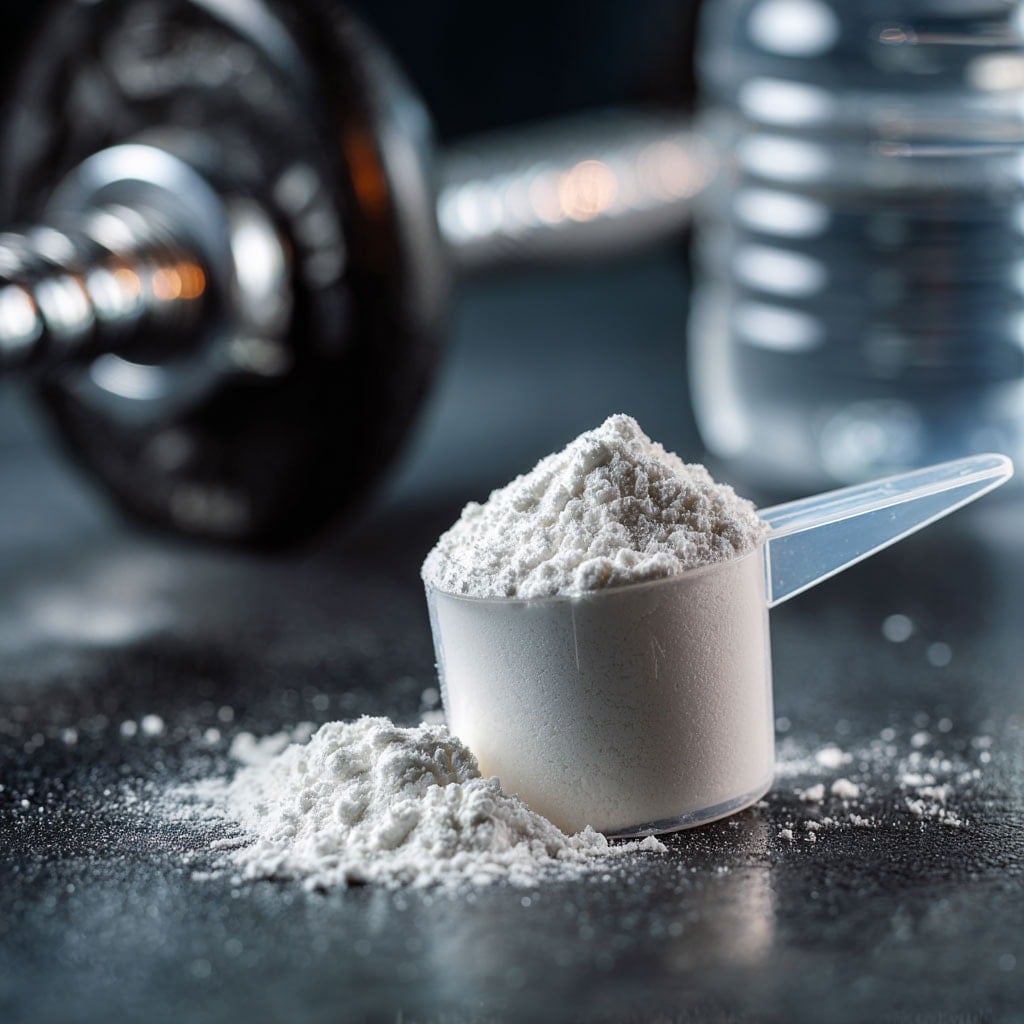
Protein powders continue to dominate the sports nutrition market due to their convenience, versatility, and proven health benefits. They can be integrated into shakes, smoothies, and various recipes, making them a staple for athletes aiming to support muscle recovery and reduce muscle soreness after intense training sessions.
Health Benefits of Protein Supplementation for Athletes
Scientific evidence supports the positive impact of protein supplementation on health benefits beyond muscle growth. Adequate protein intake supports immune function, which is vital for athletes undergoing intense training and frequent sporting events that may compromise immune defense. Protein also contributes to the maintenance of healthy body weight and can improve cognitive function and brain health, crucial for optimal sport performance and focus.
The National Collegiate Athletic Association (NCAA) and other sports medicine organizations recommend tailored protein intake to match the nutritional needs of athletes, emphasizing the significant role of protein supplements in both muscle repair and overall health maintenance.
Impact on Muscle Recovery and Reducing Sore Muscles
Muscle recovery is a crucial aspect of any training regimen, as it determines an athlete’s ability to exercise intensely over time and reduce the risk of muscle injuries. Exercise-induced muscle damage often leads to muscle soreness, which can impair subsequent performance.
Protein supplements, particularly those rich in essential amino acids and BCAAs, have been shown to accelerate muscle recovery by promoting muscle protein synthesis and reducing inflammation. Enhanced blood flow during post-exercise recovery aids in nutrient delivery to muscle cells, thereby minimizing delayed onset muscle soreness (DOMS).
Consistent use of protein powders as part of a healthy diet and functional foods regime supports faster recovery times, allowing athletes to maintain high training volumes and achieve better sports performance.
Creatine Supplements: Enhancing Strength and Performance
Understanding Creatine Monohydrate and Its Benefits
Creatine monohydrate is one of the most researched and effective dietary supplements available for improving athletic performance. Naturally produced by the body and obtained through dairy products and meat, creatine plays a crucial role in energy production within skeletal muscles, especially during high-intensity, short-duration exercises like resistance training.
Supplementation with creatine monohydrate increases the phosphocreatine stores in muscle cells, which can be rapidly converted into adenosine triphosphate (ATP), the primary energy currency of the body. This mechanism supports enhanced exercise capacity, allowing athletes to perform more repetitions and lift heavier weights, thereby supporting muscle growth and strength gains.
Effects on Muscle Strength, Endurance, and Recovery
Creatine supplements provide multiple health benefits related to muscle performance. Enhanced muscle strength and power output translate to improved physical performance and competitive edge in various sporting events. Creatine also supports increased muscle endurance, enabling athletes to exercise intensely for longer periods before fatigue sets in.
In terms of muscle recovery, creatine supplementation has been linked to reduced muscle soreness and lower incidence of muscle injuries. By mitigating exercise-induced muscle damage, creatine helps maintain consistent training intensity and promotes quicker recovery cycles, supporting long-term muscle development.
Popular Creatine Supplements and Their Emerging Trends
While creatine monohydrate remains the gold standard, emerging trends in creatine supplements include new delivery formats and formulations that enhance absorption and reduce side effects. Consumers increasingly prefer clean-label, natural ingredients, and products that align with their health-conscious lifestyle.
Supplement manufacturers are innovating with micronized creatine powders, creatine blends combined with other nutritional supplements such as amino acids, and ready-to-drink formulations, meeting changing consumer preferences for convenience and efficacy.
Scientific Insights on Creatine for Athletic Performance
The International Society of Sports Nutrition (ISSN) has issued position stands affirming the safety and efficacy of creatine supplementation for improving exercise performance in healthy adults. Research indicates that creatine not only improves resistance exercise outcomes but also contributes to cognitive function and brain health, which can be vital during prolonged sport training or competition phases.
Data analysis from various scientific studies confirms that creatine supplements have a significant role in supporting muscle cells’ energy metabolism, accelerating growth factors related to muscle hypertrophy, and enhancing immune function, thus positioning creatine as a crucial component in modern sports nutrition.
Pre-Workout Formulas: Boosting Energy and Performance
Components of Effective Pre-Workout Supplements
Pre-workout supplements are designed to improve energy, focus, and exercise capacity during sport training and intense exercise sessions. Common components include caffeine, beta-alanine, amino acids such as L-arginine, and nitric oxide precursors that promote blood flow.
These ingredients work synergistically to increase alertness, reduce perceived exertion, and enhance muscle performance. Energy drinks often fall under this category, although modern pre-workouts are tailored more specifically to support muscle cells’ function and reduce muscle soreness.
How Pre-Workouts Improve Focus, Energy, and Delay Fatigue
The stimulatory effects of pre-workout formulas help athletes maintain mental clarity and cognitive function, contributing to improved sport performance. By increasing energy availability and blood flow to working muscles, pre-workouts delay the onset of fatigue, allowing fitness enthusiasts and professional athletes to exercise intensely for longer durations.
Beta-alanine, in particular, buffers muscle acidity, reducing the burning sensation in muscle fibers during high-intensity efforts. This contributes to improved exercise performance and helps prevent premature termination of training sessions due to discomfort.

Benefits Related to Muscle Performance and Reduction of Sore Muscles
Pre-workout supplements not only support immediate physical performance but also contribute to faster muscle recovery post-exercise. Ingredients such as amino acids promote muscle protein synthesis, while improved blood flow accelerates the clearance of metabolic waste products that cause muscle soreness.
Reducing muscle soreness and supporting muscle repair are vital for athletes undergoing resistance training or participating in consecutive sporting events. Thus, pre-workouts play a dual role in enhancing exercise capacity and facilitating recovery.
Emerging Trends in Pre-Workout Nutritional Supplements
Emerging trends in pre-workout supplements reflect the growing demand for clean-label, natural ingredients, and formulations tailored to specific athletic needs. The rise of personalized sports nutrition has led to pre-workout blends designed for endurance athletes, strength trainers, or those focused on weight loss.
Innovations also include stimulant-free options for sensitive individuals and inclusion of nootropic ingredients to boost brain health alongside physical energy. Ready-to-drink pre-workouts and convenient formats cater to busy lifestyles, aligning with health-conscious consumers’ preferences.
Emerging Trends in Sports Nutrition and Nutritional Supplements
Growth of Personalized Sports Nutrition and Tailored Supplement Plans
One of the most significant emerging trends in sports nutrition is the move towards personalized nutrition plans that consider an individual’s body weight, nutritional needs, training intensity, and fitness goals. Advances in data analysis and sports medicine enable customized supplement recommendations that optimize athletic performance and support muscle recovery more effectively than generic products.
Personalized approaches integrate dietary supplements, functional foods, and tailored meal plans to create a holistic strategy supporting health awareness and a healthy lifestyle.
The Rise of Natural and Clean-Label Ingredients
Consumer preferences are shifting towards natural, organic, and clean-label products, driven by increased health consciousness and concerns about synthetic additives. Sports supplements incorporating plant-based proteins, natural creatine sources, and minimally processed ingredients are gaining market share.
This trend aligns with the broader movement in nutritional supplements favoring transparency and sustainability, appealing to both professional athletes and health-conscious consumers.
Innovations in Delivery Forms: Gummies, Ready-to-Drink, Powders
Innovative delivery systems are transforming sports nutrition, improving convenience and compliance. Gummies provide a tasty, portable alternative to traditional powders and capsules, enhancing consumer appeal. Ready-to-drink beverages offer on-the-go nutrition with controlled dosages, while powdered supplements remain popular for their flexibility in mixing and customizing intake.
These emerging formats address changing consumer lifestyles and support sustained growth in the sports nutrition market.
The Role of Sports Nutrition in Holistic Health Benefits and Recovery
Beyond immediate athletic performance, sports nutrition is increasingly recognized for its role in supporting overall physical health, immune system function, and cognitive abilities. Nutritional supplements contribute to blood pressure regulation, aerobic fitness, and injury prevention, making them crucial components in long-term athlete development.
The integration of sports nutrition into a healthy diet and lifestyle supports weight management, muscle performance, and resilience to intense training demands, ensuring athletes maintain peak condition throughout their careers.
Conclusion: Future Outlook on Sports Nutrition and Athletic Performance
The sports nutrition industry is poised for continued rapid growth as consumer awareness and scientific evidence reinforce the importance of dietary supplements in enhancing athletic performance. Protein supplements, creatine monohydrate, and pre-workout formulas remain central to the market, driving innovation and meeting the evolving nutritional needs of fitness enthusiasts and professional athletes alike.
Increasing emphasis on muscle recovery and reducing sore muscles reflects a holistic approach to sport training, where health benefits extend beyond muscle mass to include immune function and cognitive performance. Emerging trends such as personalized nutrition, natural ingredient preferences, and innovative delivery forms ensure the sector remains dynamic and responsive to changing consumer preferences.
As the global focus on physical health and fitness intensifies, the role of sports nutrition and nutritional supplements in supporting exercise performance, muscle growth, and overall well-being will continue to expand, securing their place as essential tools for athletes at every level.